

When it comes to kidney health, a CT scan can feel like a rollercoaster ride—thrilling yet nerve-wracking. Imagine getting a peek inside your body, only to discover a mysterious mass hanging out where it shouldn’t be. Not exactly the surprise party anyone wants! But don’t panic just yet. Understanding what that mass means can turn a potential horror story into a manageable plot twist.
Understanding Kidney CT Scans
Kidney CT scans offer detailed images that help identify abnormalities such as masses. Radiologists utilize these images to analyze kidney size, shape, and structure. Detecting a mass during a scan can trigger concern, but not all masses indicate cancer. Patients should recognize that many benign conditions can result in mass formation.
Typically, a contrast dye is administered to enhance image clarity, allowing for better detection and assessment of kidney abnormalities. Patients often report the contrast as feeling warm during injection, which usually subsides quickly. Following the procedure, healthcare providers review the images thoroughly.
An important factor involves the mass’s characteristics. Size, shape, and density provide crucial information for diagnosis. For instance, a solid mass might raise more red flags than a cystic one, which is often benign. Evaluating these features helps determine whether further investigation or monitoring is necessary.
Radiologists communicate findings to the patient’s physician promptly. The physician will then discuss the results and next steps, including potential imaging studies or biopsies if warranted. Open dialogue with healthcare providers enables patients to better understand their conditions.
Overall, undergoing a kidney CT scan shouldn’t be a source of excessive worry. Understanding its purpose and what the results may indicate can empower patients to approach their health with greater confidence. Knowing that there are various possibilities related to kidney masses alleviates anxiety and supports informed decision-making regarding treatment options.
Common Findings in Kidney CT Scans
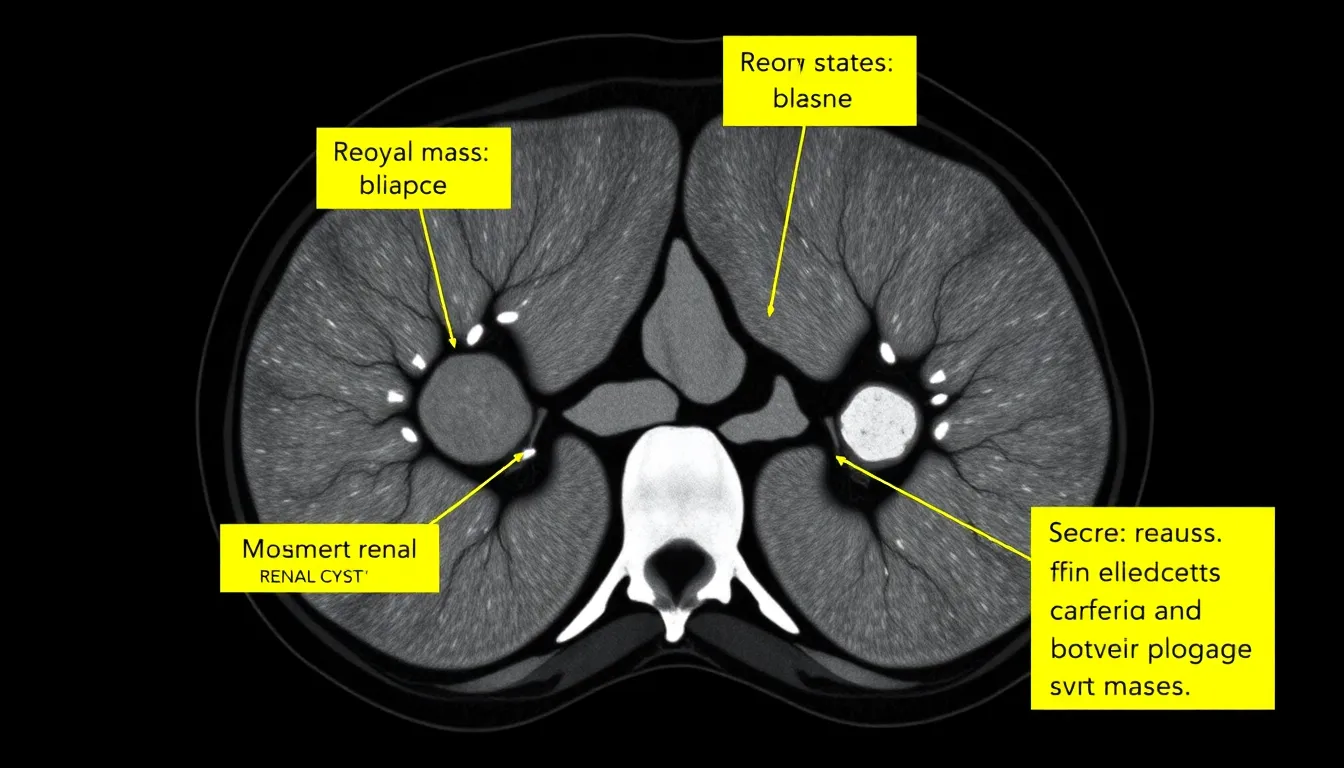
Kidney CT scans often reveal various masses, and understanding these findings is crucial for patients. Radiologists diagnose different types of masses during the scans.
Types of Masses
Benign masses include renal cysts, angiomyolipomas, and oncocytomas. Cysts appear as fluid-filled sacs and are usually harmless. Angiomyolipomas consist of blood vessels, muscle, and fat, while oncocytomas are tumors that often do not require treatment. Malignant masses, such as renal cell carcinoma and transitional cell carcinoma, arise from kidney tissues and pose significant health risks. Determining the nature of the mass plays a vital role in treatment decisions.
Characteristics of Masses
Mass characteristics greatly influence diagnosis. Size is a primary factor; larger masses may warrant further examination. Shape helps distinguish benign from malignant masses, with irregular shapes typically indicating a higher risk. Density also matters; a solid mass with high attenuation raises suspicion of cancer. Evaluation of these properties allows for informed discussions between radiologists and physicians, guiding patient management strategies effectively.
Diagnostic Procedures
Diagnostic procedures play a crucial role in evaluating kidney health. A kidney CT scan provides detailed images essential for identifying any abnormalities.
Patient Preparation
Preparation for a kidney CT scan involves several steps to ensure accurate results. Patients must inform their physician about allergies, especially to contrast dye, as this information could affect the choice of materials used. Fasting for several hours before the scan is often necessary to enhance image clarity. Hydration is also important; drinking water before the procedure helps improve kidney function and image quality. Sometimes, patients receive instructions to stop taking certain medications to minimize complications during the scan.
Interpreting the Results
Interpreting kidney CT scan results involves assessing various aspects of any detected masses. Radiologists focus on size, shape, and density to determine whether masses are benign or malignant. Benign masses like cysts or angiomyolipomas typically exhibit distinct characteristics not associated with cancer. Malignant masses, on the other hand, may show irregular shapes and increased density. Physicians discuss these findings with patients, providing clear explanations about what they mean for their health. Awareness of these interpretations helps patients understand the next steps in their care and treatment planning.
Clinical Implications of Masses on Kidney CT Scan
Masses detected on a kidney CT scan can carry significant clinical implications. Understanding the differences between benign and malignant masses is crucial for patients.
Benign vs. Malignant Masses
Benign masses include renal cysts, angiomyolipomas, and oncocytomas. These growths typically don’t pose serious health risks and often require minimal intervention. Malignant masses, such as renal cell carcinoma and transitional cell carcinoma, necessitate prompt evaluation and treatment. Characteristics like size, shape, and density help radiologists differentiate between benign and malignant conditions. A small, simple cyst usually indicates a benign nature, while irregular shapes or significant size may suggest malignancy. The distinction between these types influences the management and prognosis for patients.
Follow-Up and Management Strategies
Follow-up strategies depend on mass characteristics. Benign findings may not require immediate action, although regular monitoring can be beneficial. Patients with malignant findings necessitate a more aggressive approach, including surgery or targeted therapies. Recommendations often include surveillance imaging or biopsies when uncertainty exists. Communication with healthcare providers plays an essential role in developing tailored management plans. Regular follow-ups ensure appropriate actions based on any changes in mass characteristics. Understanding these strategies empowers patients to participate actively in their care.
Undergoing a kidney CT scan can be a pivotal moment in understanding one’s health. Discovering a mass may evoke fear but recognizing that not all masses are malignant is crucial. With the right information and guidance from healthcare providers patients can navigate this journey more confidently.
The characteristics of any detected mass will significantly influence the next steps in evaluation and treatment. Emphasizing open communication with medical professionals ensures that patients receive personalized care tailored to their specific situation. Regular follow-ups and monitoring play an essential role in managing kidney health. By staying informed and proactive patients can transform uncertainty into a pathway for better health outcomes.

