

In a world buzzing with self-help books and motivational memes, the debate between spirituality and Christianity often feels like a heavyweight championship match. On one side, you’ve got spirituality, the free-spirited contender that encourages personal journeys and inner peace like a yoga retreat on a beach. On the other, Christianity stands firm with its rich traditions, community values, and a book that’s been a bestseller for centuries—no small feat!
But what happens when these two worlds collide? Do they create a harmonious blend of enlightenment or a chaotic clash of ideologies? As people seek deeper meaning in their lives, understanding the nuances between these paths becomes essential. Buckle up for a lighthearted yet insightful exploration of spirituality versus Christianity—because who said spiritual journeys couldn’t come with a side of laughter?
Overview of Spirituality
Spirituality encompasses diverse beliefs and practices that focus on personal experiences and the search for meaning. Individuals often explore spirituality to connect with their inner selves and seek peace.
Definition of Spirituality
Spirituality refers to a broad spectrum of practices and beliefs centered around personal growth and a sense of connection. It transcends organized religion, emphasizing individual experience over doctrine. People may find spiritual fulfillment through meditation, nature, or introspection. Framing spirituality as a journey allows room for various interpretations and expressions. Each person’s path in spirituality reflects unique values and insights.
Key Concepts in Spirituality
Key concepts in spirituality include mindfulness, personal growth, and interconnectedness. Mindfulness fosters self-awareness and presence in everyday life. Personal growth encourages continual self-improvement and self-discovery. Interconnectedness highlights the relationships between all living beings and the universe, promoting empathy and compassion. Many spiritual practices incorporate rituals, symbols, and meditation techniques tailored to individual needs. Individuals often draw from multiple sources, creating a personalized spiritual experience that resonates deeply.
Overview of Christianity
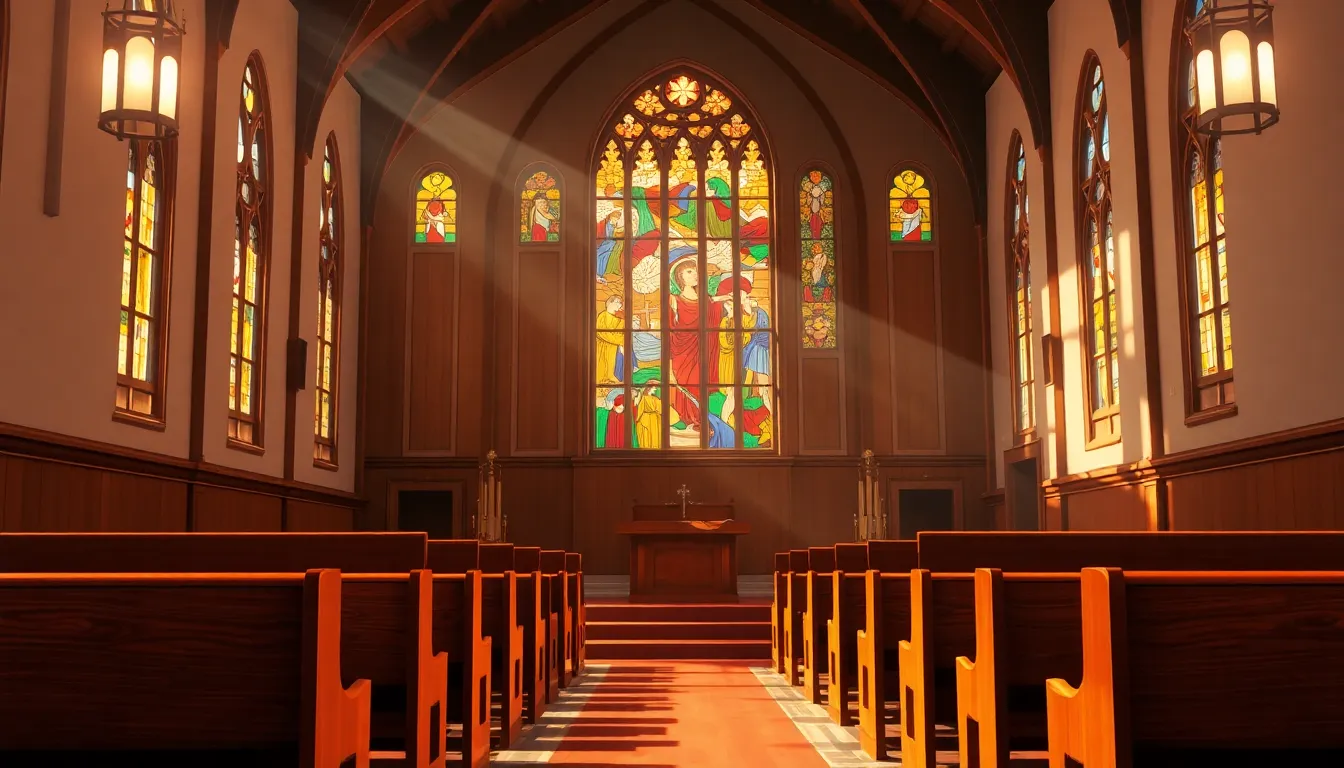
Christianity stands as a significant world religion with millions of adherents. It centers around the teachings of Jesus Christ and emphasizes love, grace, and redemption.
History of Christianity
Christianity originated in the 1st century CE, emerging from Jewish traditions in the Roman province of Judea. Jesus’ ministry sparked widespread following, leading to his crucifixion and resurrection. The apostles spread his teachings throughout the Mediterranean, culminating in the establishment of early churches. Significant events like the Edict of Milan in 313 CE legalized Christianity, leading to its rapid growth within the Roman Empire. Throughout the centuries, the faith diversified into various denominations, reflecting evolving theological interpretations and cultural contexts.
Core Beliefs of Christianity
Christians affirm core doctrines such as the Trinity, which encompasses God as Father, Son, and Holy Spirit. An essential belief is salvation through faith in Jesus Christ, who’s viewed as the Son of God and savior. The Bible serves as the sacred scripture, guiding moral and ethical conduct. Practices like baptism and communion highlight community and worship. Christianity also promotes the values of love, forgiveness, and service to others, reinforcing its teachings of compassion and moral integrity.
Spirituality vs Christianity: Key Differences
Spirituality and Christianity present distinct approaches to understanding existence and connection to the divine.
Approach to God
Spirituality embraces a personal and often individualized approach to God or a higher power. It encourages individuals to define their own spiritual beliefs without strict guidelines. In contrast, Christianity presents a defined structure in its relationship with God, characterized by worshiping the Trinity: God the Father, Son, and Holy Spirit. Christians experience God through prayer, scripture, and the teachings of Jesus Christ. This communal understanding fosters shared beliefs and doctrine among followers. Through personal experiences, spirituality allows diverse interpretations, while Christianity offers a cohesive framework aligning believers in a common faith.
Understanding of the Self
In spirituality, the self is viewed as a unique entity that undergoes continuous growth and evolution. Personal introspection plays a crucial role in this journey, with practices like meditation enhancing self-awareness. Individuals often seek fulfillment within themselves rather than through external validation. Conversely, Christianity emphasizes self-understanding within the context of God’s creation. It teaches believers that salvation and identity come through faith in Jesus Christ. Christian doctrine encourages humility and reliance on divine grace, shaping one’s view of the self around service and community.
Community and Worship Practices
Spirituality often lacks set community structures, leading to varied group practices and individual interpretations. Gatherings may occur around shared interests rather than formal rituals. Christians, however, engage in structured community practices such as church services, where worship and fellowship thrive. Essential rituals like baptism and communion unify believers while reinforcing shared faith. Christianity’s emphasis on communal worship fosters a strong sense of belonging among followers. This unity contrasts with the often solitary nature of spiritual practices, highlighting their differing community dynamics.
Common Ground Between Spirituality and Christianity
Both spirituality and Christianity share fundamental values and ethical teachings. Love, compassion, and forgiveness stand at the core of their beliefs. Individuals from both realms often encourage acts of kindness and service to one another. Furthermore, respect for life and the pursuit of peace are emphasized. These shared values promote a harmonious coexistence between the two paths.
Shared Values and Ethics
Common ethical principles unite spirituality and Christianity in their quest for understanding and connection. Both encourage respect for others, underscoring the importance of empathy and understanding in human interactions. Acts of service frequently serve as a cornerstone, reinforcing the idea of helping those in need. The pursuit of love, whether through personal relationships or communal activities, binds these two worlds together. Trust and honesty also play significant roles in their ethical teachings, fostering deeper connections among individuals.
Integrated Practices
Certain practices create overlap between spirituality and Christianity, enriching their respective traditions. Meditation and prayer often serve as foundational tools for personal growth and connection with the divine. Both practices facilitate introspection and self-awareness, allowing individuals to strengthen their spiritual journeys. Additionally, rituals like communal gatherings and study groups promote a sense of unity and shared purpose. These integrated practices encourage participants to explore their beliefs and foster a deeper understanding of their spiritual or religious identity.
The exploration of spirituality and Christianity reveals a rich tapestry of beliefs and practices that cater to diverse human experiences. While they may differ in structure and approach to the divine, common values like love and compassion create a bridge between the two. Individuals navigating their spiritual journeys can find inspiration in both paths, fostering personal growth and community connection.
As people continue to seek meaning and purpose, the dialogue between spirituality and Christianity will remain vital. Embracing the strengths of each can lead to a more profound understanding of oneself and the world. Ultimately, the journey toward spiritual fulfillment can be as unique as the individuals who embark on it.

