
Ever dreamt of wandering through exotic landscapes or sipping coffee in a bustling café? What if we told you there are countries out there that are just not having it? That’s right—some places are so exclusive that they make the VIP section of a nightclub look like a public park.
Overview of Countries You Can’t Visit
Access to certain countries remains limited due to various political and security reasons. Nations like North Korea and Syria impose strict restrictions on travel. Unstable conditions and government policies often deter visits to these regions.
Regulations frequently change, reflecting the dynamic nature of geopolitical relations. Visitors might encounter travel bans that prevent entry altogether. Countries with conflicts or sanctions, such as Afghanistan and Iran, present additional challenges for tourists.
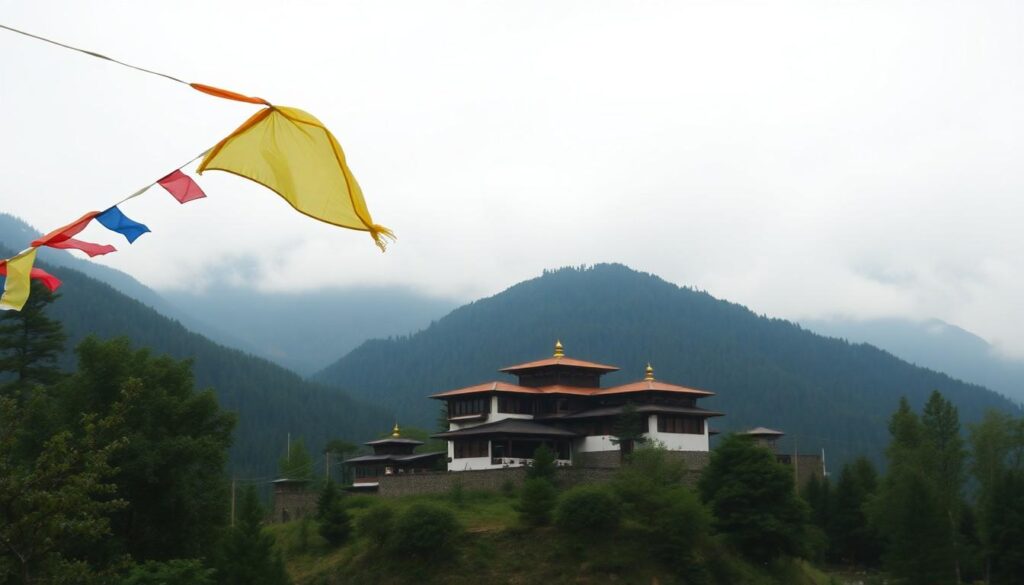
A few territories maintain more inaccessible statuses than others. For instance, areas like Bhutan require special permits, creating additional barriers. These travel permits often come with intricate approval processes, limiting access even to tourists willing to comply.
Additionally, some nations prioritize internal stability over tourism. For example, Turkmenistan enforces rigid entry requirements, ensuring limited visitor numbers. As a result, foreign nationals find it increasingly difficult to gain entry.
Travel advisory organizations regularly update information on restricted areas. Consulting reliable sources provides essential insights into which countries are currently off-limits. Potential travelers must remain informed to avoid complications during their journeys.
Concerns about safety also play a significant role in determining access to certain destinations. Regions with heightened security risks may issue warnings against travel. Always staying informed aids in recognizing the hesitance surrounding these exclusive nations.
Reasons for Travel Restrictions

Travel restrictions occur for various reasons, primarily influenced by political and health factors. Understanding these issues is crucial for prospective travelers.
Political Instability
Political instability significantly affects access to certain countries. Regions experiencing civil unrest or government upheaval often impose restrictions on foreign visitors. For instance, countries like Syria and Venezuela have turbulent political climates, discouraging travel. Terrorism threats also contribute to the instability, making governments hesitant to permit travel. Even nations with relatively stable conditions, like Myanmar, face unexpected restrictions due to sudden political shifts. Travelers frequently encounter changing regulations that reflect the current state of affairs, complicating their travel plans.
Health Concerns
Health concerns create barriers that restrict travel access. Outbreaks of infectious diseases can prompt governments to implement travel bans or advisories. For example, during the Ebola outbreak, several West African countries experienced significant travel limitations. Pandemics, such as COVID-19, prompted worldwide restrictions affecting countless nations. Certain regions may also lack proper healthcare infrastructure, raising concerns for tourists seeking responsible travel options. In addition, vaccination requirements for specific diseases can deter visitors from entering countries that prioritize public health.
High-Profile Cases
Certain countries maintain travel restrictions due to various geopolitical factors. These nations often deter visitors through strict regulations and dangerous conditions.
North Korea
Entering North Korea presents unique challenges. The government tightly controls tourism, allowing access only through guided tours. Visitors must adhere to strict rules, such as limitations on photography and interactions with locals. Traveling independently is prohibited, and failure to follow regulations can result in significant consequences. Despite these restrictions, some tourists seek the experience of understanding the country’s isolated culture, drawn by its enigmatic allure.
Syria
Syria remains one of the most restricted destinations globally due to ongoing conflict. Travel advisories strongly discourage visits due to violence and instability. Insurgent activity and government military operations create hazardous conditions for visitors. Although some parts of the country may show cultural richness, the risk of serious harm overshadows the potential rewards. Travelers interested in Syria must prioritize safety and consult updated travel advisories, as the situation can change rapidly.
Travel Alternatives
Exploring travel alternatives provides exciting opportunities while avoiding restricted nations. Travelers can seek safe options nearby or enjoy the benefits of virtual experiences.
Safe Neighboring Countries
Travelers can consider nearby countries with more open borders. For instance, Jordan offers access to ancient sites and rich culture without significant restrictions. Turkey also serves as a convenient alternative, showcasing stunning landscapes and historical landmarks close to countries facing travel challenges. Lebanon presents vibrant cities and culinary experiences that attract tourists looking for new adventures. Regions like these often capture the allure of destinations that remain off-limits, delivering fulfilling travel experiences without the risks.
Virtual Travel Options
Virtual travel expands exploration possibilities beyond physical borders. Many platforms enable immersive experiences of restricted areas, allowing travelers to engage from home. Websites provide virtual tours of cultural landmarks, such as the Great Wall of China or the historic sites in Syria. Streaming documentaries and interactive exhibits offer insights into local customs and traditions without the hazards of travelling to these countries. Engaging with these virtual experiences maintains a connection to global culture while prioritizing safety and convenience.
Conclusion
Traveling to certain countries can be an elusive dream for many. The allure of these exclusive destinations often comes with significant challenges that deter even the most adventurous travelers. Political instability and health concerns play a crucial role in shaping access to these areas, making informed decisions essential.
While the restrictions might seem disheartening, there are plenty of alternative destinations that offer rich cultural experiences without the associated risks. Exploring nearby countries or embracing virtual travel options allows individuals to satisfy their wanderlust safely. Ultimately, staying informed and prioritizing safety ensures that the passion for exploration can continue, even if some places remain off-limits.

