
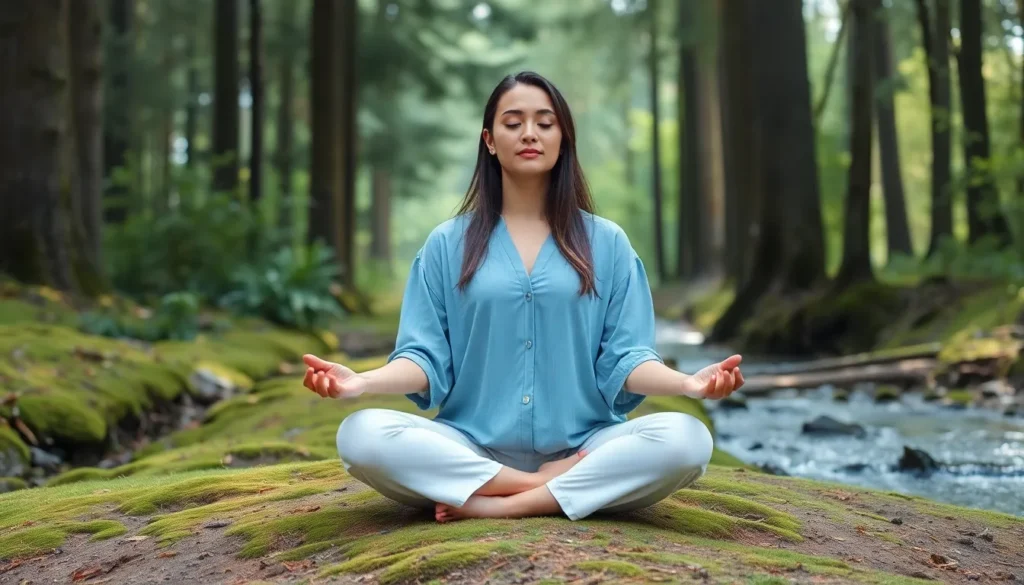
In a world buzzing with distractions, deep meditation offers a refreshing escape. Imagine sinking into a state of bliss where the only thing on your to-do list is to simply be. It’s like a mini-vacation for your mind, minus the sunscreen and questionable hotel choices.
Deep meditation isn’t just about sitting cross-legged and chanting “om.” It’s a powerful practice that can help clear the mental clutter, reduce stress, and even enhance creativity. Think of it as a workout for the brain—only instead of lifting weights, you’re lifting your consciousness to new heights.
Understanding Deep Meditation
Deep meditation stands as a transformative practice offering profound benefits for mental clarity and emotional well-being. This method transcends conventional meditation techniques, promoting a deeper connection to the self.
Definition and Overview
Deep meditation involves immersing oneself in a state of heightened awareness and relaxation. Practitioners experience a significant reduction in mental chatter while accessing deeper levels of consciousness. Unlike typical meditation, emphasis lies on achieving a sustained state of stillness that facilitates inner peace. Sessions can last from 20 minutes to several hours, allowing for an extended exploration of thoughts and sensations. Various techniques, including breath focus and visualization, enhance this practice. Research indicates this approach can effectively lower stress levels, improve focus, and even boost creativity.
Historical Context
Roots of deep meditation trace back thousands of years, with origins evident in spiritual traditions around the globe. Ancient texts from Hinduism and Buddhism highlight meditation’s role in achieving enlightenment and self-realization. Traditional practices, such as Zen and Vipassana, shape modern understandings of deep meditation. These methods emphasize concentrated focus and mindfulness, promoting personal growth. Over centuries, adaptations have emerged, integrating insights from psychology and neuroscience. Contemporary mindfulness practices now connect with ancient wisdom, offering diverse pathways to achieve deep meditation.
Benefits of Deep Meditation
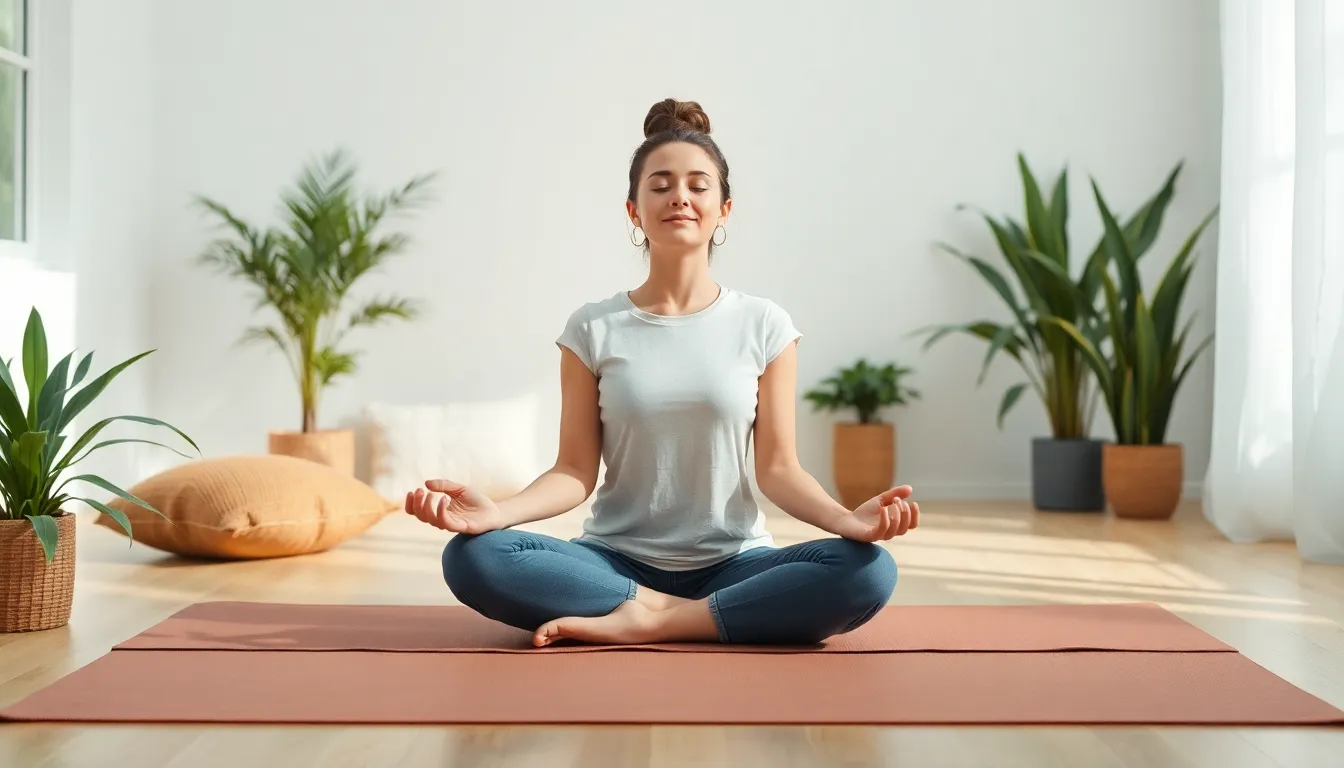
Deep meditation offers numerous advantages for practitioners, significantly impacting both mental and physical health.
Mental Health Improvements
Deep meditation enhances emotional stability and reduces symptoms of anxiety and depression. Research indicates that regular practice leads to decreased levels of cortisol, the stress hormone. It fosters a state of mindfulness, allowing individuals to observe thoughts without attachment. Practitioners often report increased resilience to daily stressors and improved focus. Greater self-awareness emerges, helping to identify negative thought patterns. Many individuals experience boosts in creativity and problem-solving skills through deeper states of mental clarity. Increased feelings of calm and contentment often result from prolonged sessions.
Physical Health Benefits
Deep meditation contributes positively to physical well-being in several ways. It improves blood circulation, ensuring organs receive adequate oxygen and nutrients. Studies show that this practice can lower blood pressure, leading to reduced risk of heart disease. Enhanced immune function also correlates with regular meditation, allowing the body to better fend off illnesses. Better sleep quality often results from the relaxation achieved during sessions, allowing for restorative rest. Additionally, deep meditation encourages mindfulness toward healthy behaviors, promoting better lifestyle choices. Overall, significant physical health improvements accompany consistent meditation practice.
Techniques for Practicing Deep Meditation
Deep meditation encompasses various techniques that enhance the experience and effectiveness of the practice. Here are some effective methods practitioners can use.
Breathing Exercises
Focusing on breath is fundamental in deep meditation. Practitioners often use the technique of diaphragmatic breathing, which encourages deep, grounding breaths that calm the mind and body. By inhaling deeply through the nose and exhaling slowly through the mouth, participants can promote relaxation and mental clarity. Counting breaths can also help. This method involves counting each inhalation and exhalation up to ten, then starting over. Utilizing this approach helps in maintaining focus. Consistent pacing of breath further enhances the meditative state, creating a soothing rhythm that reduces stress levels.
Visualization Techniques
Visualization techniques enhance deep meditation by engaging the imagination. Practitioners create vivid mental images to promote relaxation and focus. Envisioning peaceful scenes, such as a serene beach or a tranquil forest, immerses individuals in calming environments. This imagery fosters a sense of safety and tranquility. Guided imagery mediation often involves following audio or instruction to enhance the experience. Engaging with colors, symbols, or personal goals during visualization further deepens the connection with one’s inner self. Such practices effectively elevate awareness, leading to profound insights during the meditation session.
Mindfulness Practices
Mindfulness practices emphasize present-moment awareness, enhancing deep meditation. Participants can begin by observing thoughts and emotions without judgment, allowing experiences to arise naturally and passively. A body scan is another beneficial method; practitioners focus attention on different body parts sequentially, promoting relaxation and awareness of physical sensations. Engaging with everyday activities, like eating or walking, fosters a meditative mindset outside of formal sessions. Incorporating these mindfulness techniques cultivates an ongoing awareness, enriching the overall benefits of deep meditation, and enhances emotional well-being.
Challenges in Achieving Deep Meditation
Achieving deep meditation presents various challenges that can hinder practitioners from reaching their full potential. Understanding these obstacles facilitates more effective approaches to overcome them.
Common Obstacles
Distractions often disrupt the meditation process. External noises, internal thoughts, and environmental factors can break focus. Impatience emerges as another common challenge, making it difficult for individuals to sit still for extended periods. Fear of failure may also arise, causing anxiety about not achieving a deep state of relaxation. Additionally, unrealistic expectations can lead to frustration, preventing practitioners from appreciating the journey of meditation.
Tips for Overcoming Challenges
Establishing a dedicated space for meditation promotes a calm environment. Practitioners should start with short sessions and gradually increase duration to build comfort. Using guided meditations can provide structure and help maintain focus. Keeping a meditation journal enables reflection on progress and thoughts during sessions. Cultivating an attitude of acceptance supports practitioners in letting go of frustrations, reinforcing the understanding that meditation is a personal journey.
Deep meditation offers a pathway to profound mental and physical transformation. By engaging in this practice, individuals can experience enhanced emotional stability and improved overall well-being. The techniques explored not only promote relaxation but also foster a deeper connection to one’s inner self.
Overcoming challenges in deep meditation can lead to significant rewards. With dedication and the right approach, practitioners can unlock the full potential of their minds. Embracing this journey can lead to a more mindful and fulfilling life, making deep meditation a valuable addition to anyone’s wellness routine.

