

Traveling can be one of life’s greatest adventures, but it can also feel like navigating a minefield of potential mishaps. Whether it’s forgetting your passport or realizing your suitcase is packed with a week’s worth of socks, the key to a successful journey lies in preparation. With a sprinkle of humor and a dash of caution, he or she can transform a potential travel disaster into a memorable experience.
Essential Travel Safety Tips
Travelers must prioritize safety while embarking on their adventures. Staying informed and following local regulations eases the journey.
Stay Informed About Your Destination
Understanding the local culture and environment enhances safety. Travelers should research current events, weather conditions, and travel advisories before departure. Awareness of local customs allows for smoother interactions with residents. Familiarity with emergency contact numbers, such as the nearest hospital or police station, prevents unnecessary stress during a trip. Additionally, downloading offline maps aids navigation in unfamiliar areas.
Follow Local Guidelines and Regulations
Adhering to local laws ensures a respectful and safe experience. Different regions have unique regulations regarding behavior, transportation, and health precautions. Travelers must observe these guidelines, especially concerning interaction with wildlife and natural resources. Checking for any travel bans or restrictions helps avoid unexpected issues. Being aware of local COVID-19 guidelines and health measures aids in personal safety.
Packing for a Safe Journey
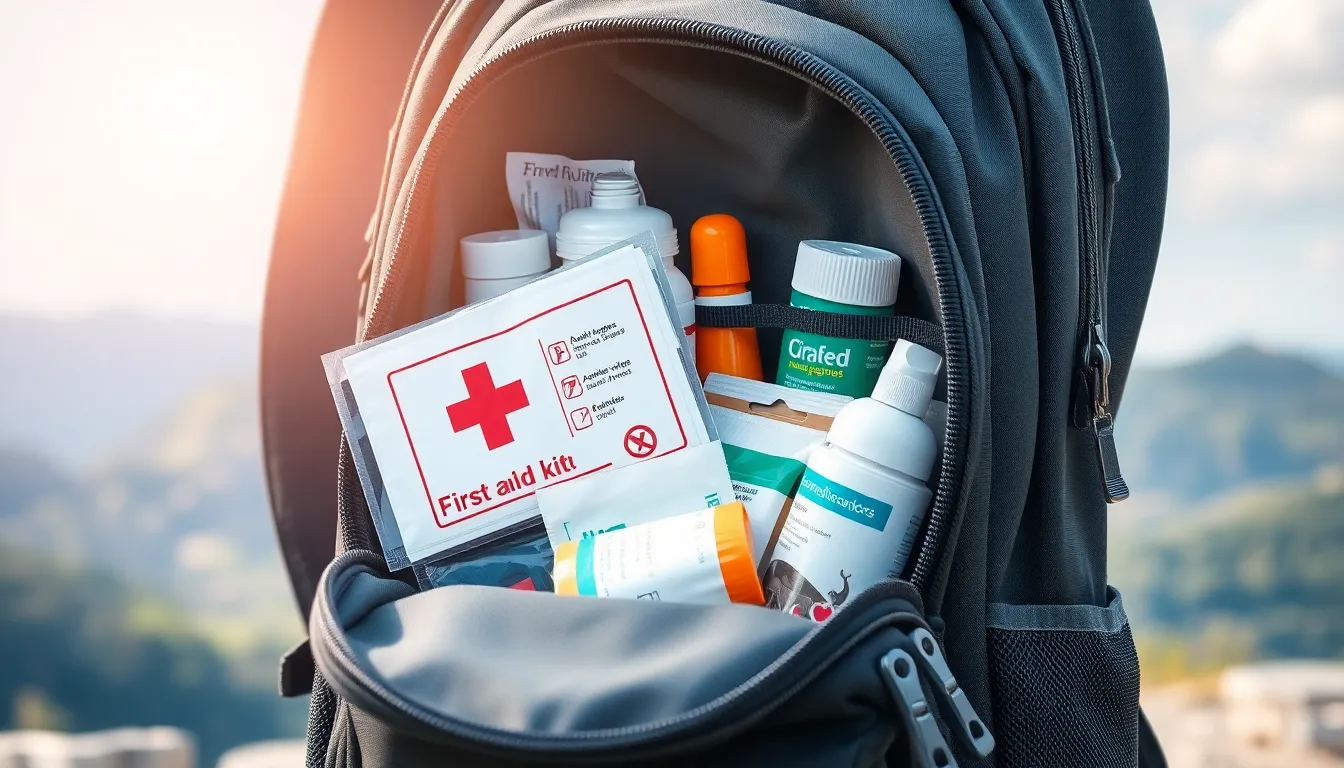
Packing properly enhances safety during travel. Prioritizing essential items ensures readiness for unexpected situations.
First Aid Kit Essentials
A first aid kit remains crucial for any trip. Include adhesive bandages, antiseptic wipes, and gauze pads for minor injuries. Pain relievers like ibuprofen or acetaminophen help alleviate discomfort. Antihistamines offer relief from allergic reactions. Keep any personal medications, such as prescriptions, readily available. A thermometer tracks body temperature. A pair of scissors is useful for cutting gauze or tape. Lastly, include a first aid manual for reference during emergencies.
Important Documents and Copies
Travelers must safeguard important documents. Include a valid passport, visa, and driver’s license according to travel plans. Copies of itineraries and accommodation details ensure a smooth journey. Insurance information should be readily accessible for emergencies. Travel health documents, including vaccination records, might be necessary for specific destinations. Utilize digital backup methods, such as cloud storage, to keep documents secure. Finally, store these items in a waterproof case to prevent damage.
Safe Travel Practices
Travelers can enhance their safety with a few essential practices. Prioritizing awareness and preparation proves crucial in navigating new environments.
Transportation Safety Tips
Consider using reputable transportation services. Public transport systems often provide affordable and reliable options for travelers. Always verify the driver’s credentials when using ride-sharing apps. Seat belts play a vital role in ensuring passenger safety; buckle up every time, regardless of the distance traveled. Be cautious at busy intersections and remain aware of local traffic laws. If traveling abroad, familiarize oneself with the local driving customs. Avoid distractions, such as phones, during commutes. Securing personal belongings prevents theft; keep valuables out of sight and close at hand.
Staying Aware of Your Surroundings
Cultivating awareness helps travelers stay safe. Pay attention to the activities and people nearby, especially in unfamiliar areas. Trust instincts; if a situation feels uncomfortable, it’s wise to leave. Monitoring news sources or alerts for any local advisories keeps travelers informed about potential hazards. Engaging with locals can provide insights about safe areas and current events. Keeping a portable charger ensures the phone stays operational for navigation and communication. Utilizing discreet bags for essentials minimizes visibility to pickpockets. Adapting to the environment fosters a sense of control, allowing for a more secure travel experience.
Health Considerations While Traveling
Travelers must consider health factors to ensure a safe journey. Awareness of health precautions can significantly reduce risks during trips.
Vaccinations and Health Precautions
Vaccinations play a crucial role in protecting travelers from various diseases. Research destination-specific vaccinations well in advance. Some regions require proof of vaccination before entry, while others recommend certain immunizations. Malaria prophylaxis may be necessary for specific areas. Travelers should also familiarize themselves with local health guidelines. Carry a copy of vaccination records and medications to address any health concerns. Additionally, use insect repellent and practice food safety to further reduce health risks.
Monitoring Personal Health
Monitoring personal health during travels ensures timely responses to any issues. Regularly check for symptoms or changes in well-being. If feeling unwell, seek medical attention promptly. Staying hydrated and eating balanced meals supports overall health. Travelers can benefit from maintaining a travel health diary, noting symptoms or any variations in health. Engaging in light exercise, even simple walking, enhances physical fitness. Being aware of personal health status helps in making informed decisions and ensures a safer travel experience.
Traveling can be a thrilling experience filled with new adventures and discoveries. By prioritizing safety and preparation travelers can enjoy their journeys with peace of mind. Being informed about local customs and regulations plays a crucial role in fostering a respectful atmosphere while minimizing risks.
Packing essential items and maintaining awareness of one’s surroundings further enhance safety. Engaging with locals and staying updated on health precautions can make a significant difference in navigating unfamiliar environments.
Ultimately a blend of caution and curiosity allows travelers to create unforgettable memories while ensuring their well-being. Safe travels lead to enriching experiences that last a lifetime.

