
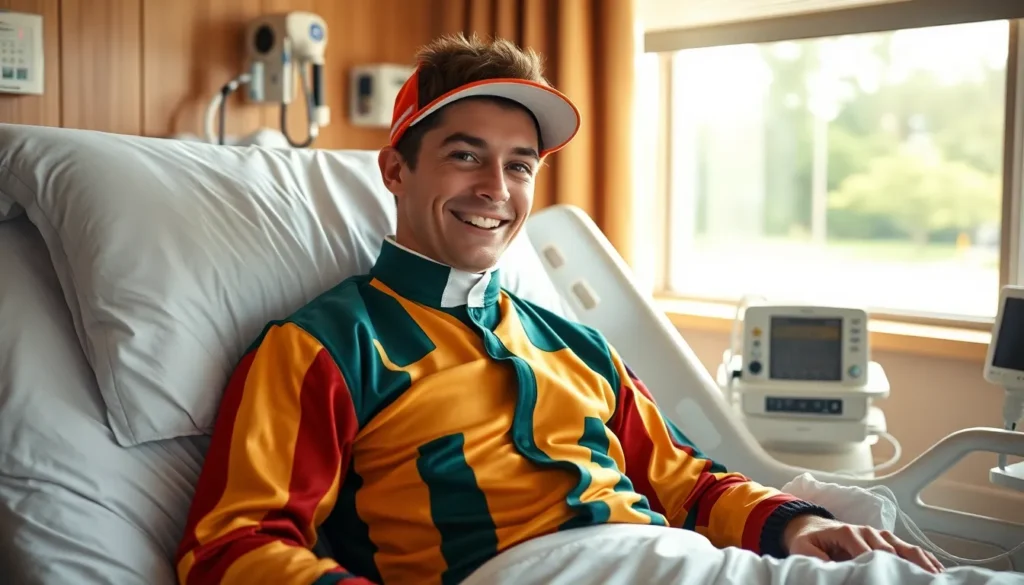
In the thrilling world of horse racing, where speed and adrenaline collide, accidents can turn a heart-pounding spectacle into a shocking tale. Hunter Myers, a name that echoes through the racing community, recently found himself at the center of a dramatic incident that left fans and fellow jockeys gasping.
This isn’t just another day at the races; it’s a gripping story of unexpected twists, resilience, and a dash of humor. As Hunter navigates the aftermath of his accident, he proves that even in the face of adversity, laughter can be the best medicine. Buckle up as we dive into the details of Hunter’s escapade, exploring the highs and lows of a career that rides the fine line between triumph and tragedy.
Overview of Hunter Myers Horse Racing Accident
Hunter Myers experienced a significant accident while competing as a jockey, capturing the attention of the horse racing community. During a race at the Charles Town Races in West Virginia, he fell from his mount, leading to severe injuries. Medical personnel quickly attended to him, demonstrating the urgency of the situation.
The mishap occurred on July 17, 2021, as Myers approached the final turn. His horse stumbled, causing him to lose balance and fall onto the track. Witnesses reported the chaos that ensued, with fellow competitors navigating around the fallen jockey.
In addition to physical injuries, the accident raised concerns about safety protocols in horse racing. The incident prompted discussions on improving measures to protect jockeys and horses alike. Experts suggested a review of current safety equipment and training practices for riders.
Recovery for Myers began immediately but presented challenges. He faced multiple surgeries and underwent extensive rehabilitation before gradually returning to racing. His determination became evident as he often shared updates on his progress with fans.
Despite the severity of his injuries, Myers maintained a positive outlook. He humorously referred to himself as “Hunter 2.0” after his recovery journey, showing resilience in the face of adversity. Fellow jockeys and trainers supported him throughout the process, reinforcing the camaraderie often found in the racing community.
This incident not only highlighted the risks associated with horse racing but also the strength exhibited by those involved in the sport. Myers’ path to recovery reflects a broader narrative of perseverance and hope in challenging circumstances.
Details of the Incident
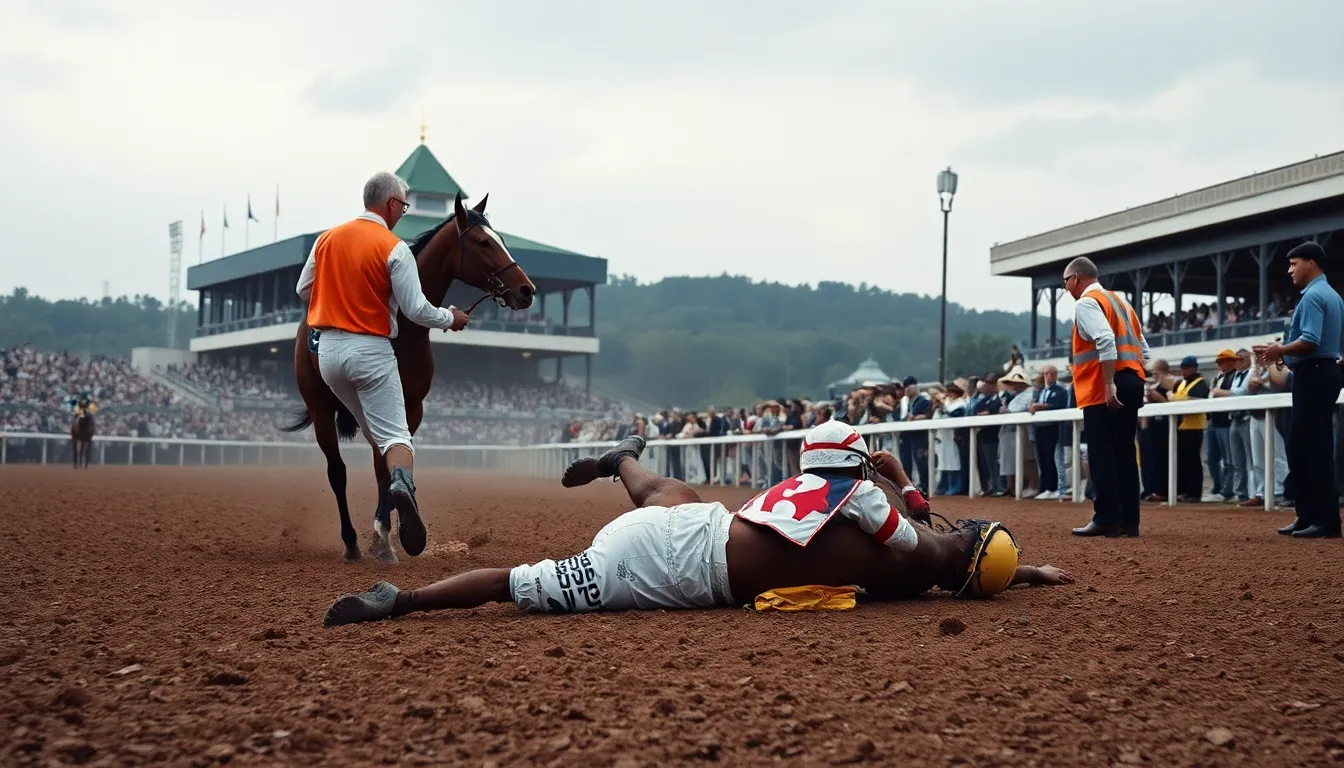
On July 17, 2021, Hunter Myers faced a harrowing accident during a race at Charles Town Races in West Virginia. This incident highlighted both the dangers inherent in horse racing and the quick responses of the racing community.
Date and Location
The accident occurred on July 17, 2021, at the Charles Town Races, a prominent venue for horse racing in West Virginia. Known for its vibrant atmosphere, the racetrack hosted numerous competitors that day. Conditions on that day included a challenging track, contributing to the eventual accident. Spectators gathered to enjoy the races, not anticipating the chaos soon to unfold.
Key Events Leading Up to the Accident
Leading up to the incident, Myers participated in a competitive race alongside other jockeys. The atmosphere intensified as horses galloped toward the finish line. Shortly after the race began, one horse stumbled, resulting in Myers losing his balance. The suddenness of the situation caught both fans and fellow competitors off guard. Moments later, paramedics rushed to the scene, highlighting the immediate need for medical assistance.
Investigation and Findings
The investigation into the Hunter Myers accident reveals critical insights on racing safety. Authorities conducted thorough reviews of the incident to determine contributing factors.
Official Reports
Official reports indicated that track conditions played a significant role in the accident. Data from the Charles Town Races showed previous complaints regarding the surface’s maintenance. Investigators noted the presence of loose dirt and uneven patches, which posed risks to jockeys and horses alike. Additionally, the speed of the horses involved exacerbated the situation. Riders often face unforeseen circumstances during high-stakes races, making safety protocols increasingly important. Recommendations for improved track inspections and consistent maintenance surfaced as key discussion points following the incident.
Eyewitness Accounts
Eyewitnesses described the accident with a mix of shock and concern. One spectator recalled hearing the sound of a horse stumbling, followed by immediate chaos on the track. Many expressed admiration for the swift action taken by medical personnel. Observations highlighted the substantial support from fellow jockeys who rushed to assist Myers. The atmosphere during the aftermath reflected deep camaraderie within the racing community. Witnesses emphasized how such incidents can impact not only the individuals involved but also the morale of everyone on track during races.
Impact on Racing Community
Hunter Myers’ accident reverberated throughout the horse racing community, eliciting strong reactions and prompting serious safety discussions.
Reactions from Peers
Fellow jockeys expressed deep concern for Myers’ well-being after the incident. Support poured in from various riders, showcasing the tight-knit nature of the racing family. Many shared personal stories about their own close calls on the track, emphasizing the risks involved in the sport. Some members organized fundraisers to help with Myers’ medical expenses, illustrating solidarity during tough times. Others took to social media to share messages of encouragement, emphasizing their admiration for his determination and resilience.
Changes to Safety Regulations
The accident led racing organizations to reevaluate existing safety protocols. Investigative reports highlighted flaws in track maintenance practices, urging for stricter regulations. Recommendations included implementing regular inspections to ensure optimal track conditions. Stakeholders began discussing enhancing protective gear for jockeys, focusing on improvements to helmets and vests. These conversations aimed to prevent future incidents and promote safer racing environments for all participants.
Hunter Myers: A Career Retrospective
Hunter Myers, a dedicated jockey, showcased his talent and determination within the horse racing industry. Starting his career at a young age, he quickly gained recognition for his skills on the track. His passion for racing fueled his ambition, leading to several notable victories.
Competitors often viewed him as a formidable force, known for his fierce competitive spirit. Myers consistently demonstrated an ability to connect with his horses, fostering strong relationships with them. Each race not only reflected his prowess but also highlighted his spontaneity and strategic thinking.
Following the accident in July 2021, discussions about safety in horse racing intensified. Events like these prompted an evaluation of Myers’ previous performances, emphasizing the inherent risks involved in the sport. Observers began to reflect on how the tight-knit community supports its members, especially during tough times like these.
Resilience characterized Myers’ journey post-accident. Multiple surgeries and rehabilitation did not diminish his love for racing; instead, these challenges strengthened his resolve. Humor played a vital role in his recovery process, as he embraced the nickname “Hunter 2.0.” This perspective not only showcased his spirit but resonated with fans and fellow jockeys alike.
Analyzing his career reveals both triumph and adversity. Myers’ history emphasizes the ongoing discussions about the importance of safety measures in racing environments. Insights from experts stress the need for improved track maintenance and protective gear, which continue to evolve with time. Recognizing these aspects ensures that his legacy impacts future generations of jockeys.
Hunter Myers’ accident serves as a poignant reminder of the inherent risks in horse racing. His journey through recovery showcases not only personal resilience but also the strength of community support within the racing world. The conversations sparked by this incident highlight the urgent need for enhanced safety measures to protect both jockeys and horses.
As the racing industry reflects on these events, there’s hope that the lessons learned will lead to meaningful changes. Myers’ determination to return to the sport he loves, coupled with the collective efforts of the racing community, underscores a commitment to safer racing environments. This chapter in his life will undoubtedly influence future generations, ensuring that the legacy of resilience and safety continues in horse racing.

