

Nerve injuries can feel like a bad plot twist in a movie—unexpected and frustrating. As the healing process unfolds, many people experience unusual sensations, including a burning feeling that might leave them scratching their heads. Is this discomfort a sign that their nerves are on the mend, or just a cruel joke from their body?
Understanding Nerve Healing
Nerve healing involves complex processes that can vary based on injury severity. During healing, the body may send unusual signals, including sensations like burning or tingling. These symptoms often arise as nerves regenerate and reconnect, indicating active healing.
Burning sensations might indicate that the nerve fibers are repairing themselves. It’s common for individuals to experience heightened sensitivity as the body adapts. Various factors contribute to this discomfort, such as inflammation and increased electrical activity in the nerves.
Prolonged burning feelings may signal a need for attention, especially if accompanied by other symptoms. Continuous or severe pain can indicate complications in the healing process. Active monitoring and communication with healthcare professionals are essential for proper management.
Understanding the timeline of nerve healing is crucial. Regeneration occurs slowly, often taking weeks to months for noticeable recovery. Injuries involving larger nerves may experience longer healing times compared to smaller nerves.
Healing nerves can develop a phenomenon called neuropathic pain, characterized by abnormal sensory perceptions. This phenomenon can mislead individuals into thinking nerve function is deteriorating, rather than improving.
Educating oneself on the nerve healing process aids in distinguishing between healing signs and potential red flags. Each patient’s experience varies, and keeping track of symptoms helps healthcare providers tailor appropriate treatment plans. Monitoring progress diligently fosters informed decisions regarding care and intervention.
The Role of Nerve Damage
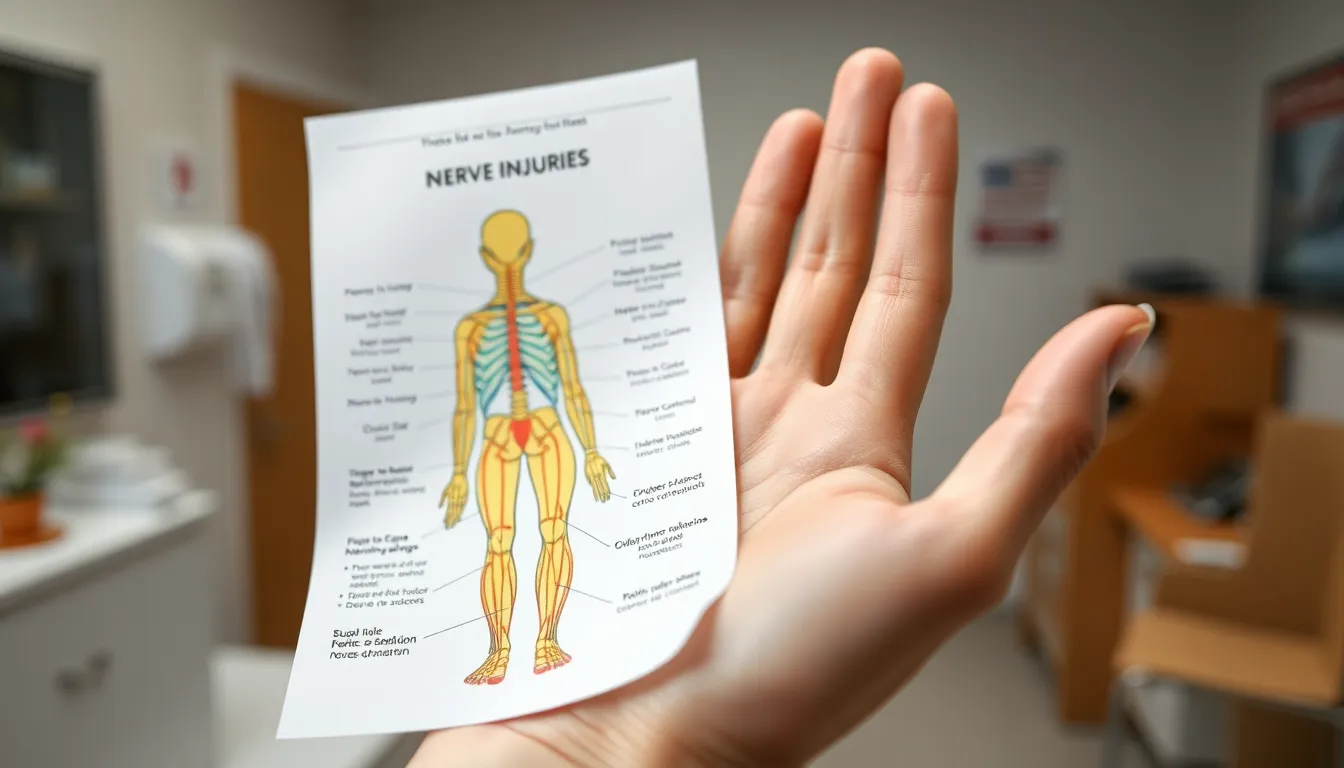
Nerve damage significantly influences the healing process. Different types of injuries lead to various levels of impact on nerve function.
Types of Nerve Injuries
Nerve injuries fall into several categories. Compression injuries occur when pressure affects a nerve. Lacerations happen due to cuts or trauma directly severing the nerve. Stretch injuries arise from excessive tugging or pulling on nerve fibers. Each type results in distinct challenges for recovery, with severity determining regeneration time.
Symptoms of Nerve Damage
Recognizing symptoms of nerve damage aids in understanding the healing process. Common sensations include burning, tingling, or numbness in affected areas. Individuals may also experience muscle weakness or loss of coordination. Sometimes, pain may feel sharp, shooting, or throbbing. Monitoring these symptoms is essential, as they can indicate active nerve healing or signal complications requiring medical attention.
Mechanisms of Nerve Healing
Nerve healing involves intricate biological processes. Understanding these mechanisms provides insight into sensations like burning.
Regeneration Process
Nerve regeneration occurs when damaged axons reconnect and grow. The process typically starts within a few days after injury. Growth factors and proteins play vital roles in guiding the regrowth. Schwann cells, which support nerve function, assist by forming pathways for new axons. Each inch of nerve can take weeks to repair, indicating variations in healing rates. New axons may take a long path to reach their targets, which can lead to temporary sensations like burning or tingling as nerve endings become active again.
Role of Inflammation
Inflammation serves as a necessary response during nerve healing. This process can help clear out damaged cells and create an optimal environment for regeneration. Increased blood flow brings essential nutrients and immune cells to the injured site. While some inflammation is helpful, excessive inflammation can result in additional pain and hinder recovery. Tracking these changes can help differentiate between normal healing sensations and those that might signal complications. Monitoring the inflammatory response supports effective communication with healthcare providers for tailored treatment strategies.
Is Burning a Sign of Nerve Healing?
Burning sensations during the recovery from a nerve injury can raise questions about the healing process. Many individuals report these unusual feelings as part of their journey toward recovery.
Patient Experiences
Patients often describe burning as an indicator that nerves are reactivating. Such sensations can emerge as nerves encounter new growth and reconnection. Some people find that the intensity of burning varies, sometimes connected to activity levels or stress. Positive experiences frequently accompany burning sensations, suggesting a path toward improved nerve function. Variability exists among individuals; not everyone experiences the same degree of discomfort while healing.
Scientific Evidence
Research indicates that burning sensations correlate with the regeneration of nerve fibers. During healing, nerve endings send signals that might be interpreted as pain or discomfort. Studies show nerve fibers begin to regenerate within days after injury, with inflammation playing a critical role in this process. Increased neurotrophic factors support the survival and growth of these fibers during recovery. Though burning might feel uncomfortable, it frequently represents active healing rather than impairment. Understanding these scientific insights helps demystify the complexities of nerve healing.
Burning sensations during nerve healing can be a confusing yet crucial aspect of recovery. While these feelings may be uncomfortable they often signal that the nerves are reactivating and regenerating. Understanding this process helps individuals recognize the difference between normal healing signs and potential complications.
By staying informed about the healing timeline and monitoring symptoms closely individuals can engage in more productive discussions with healthcare providers. This proactive approach not only fosters better treatment plans but also enhances the overall recovery experience. Embracing the journey of nerve healing with patience and knowledge can lead to a more positive outcome.

