
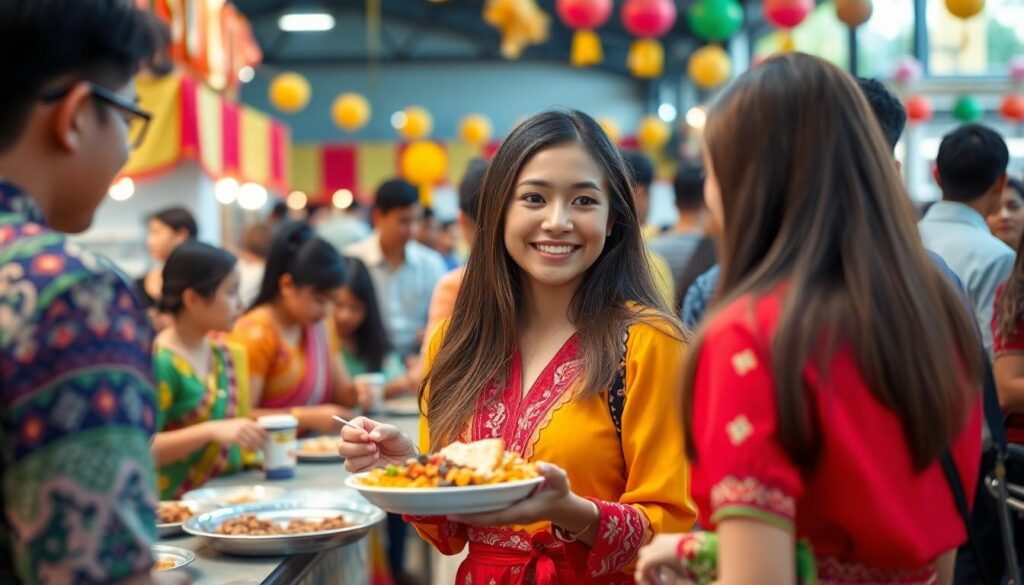
In a world that’s becoming increasingly interconnected, multicultural activities are the secret sauce for building bridges and breaking down barriers. Imagine a vibrant tapestry of cultures, where laughter echoes through the air as people share their unique traditions and delicious cuisines. It’s not just fun; it’s a passport to understanding, acceptance, and friendship.
Overview of Multicultural Activities
Multicultural activities play a vital role in promoting understanding among different cultural backgrounds. They encourage participation and celebration of diverse customs, leading to stronger community bonds.
Definition and Importance
Multicultural activities encompass events and programs that highlight various cultures and traditions. They foster appreciation for diversity and encourage mutual respect. Understanding different perspectives enhances social cohesion and reduces prejudice. Engaging in these activities promotes dialogue, collaboration, and friendship among individuals from different backgrounds. This appreciation creates a more inclusive environment where everyone feels valued.
Examples of Common Activities
Common multicultural activities include cultural festivals, food fairs, and language exchange programs. These events celebrate traditions through music, dance, and culinary experiences. Workshops allow participants to learn traditional crafts, while storytelling sessions share cultural narratives. Volunteer initiatives help in community building by bringing together different groups. Educational programs in schools promote understanding through classroom activities, discussions, and presentations.
Benefits of Multicultural Activities

Multicultural activities offer numerous advantages that enhance social dynamics and community relationships. They create environments where diverse cultures can flourish together.
Social Integration
Social integration benefits significantly from multicultural activities. They encourage people from different backgrounds to interact, helping to form friendships and networks. Cultural festivals, for example, provide settings where individuals connect through shared experiences. Participants discover common interests, fostering trust and collaboration. Engaging in such activities cultivates a sense of belonging, particularly for newcomers or marginalized groups. The shared joy of celebrating various traditions strengthens relationships and builds inclusive communities.
Educational Value
Educational value emerges prominently through multicultural activities. Participants gain insights into different customs, languages, and traditions. Programs like language exchanges allow individuals to learn from each other directly. Workshops and storytelling sessions also enhance understanding by highlighting unique cultural narratives. Schools benefit greatly from incorporating multicultural events into their curricula, broadening students’ perspectives. Such exposure equips individuals with critical thinking skills, essential for navigating an increasingly diverse world. Knowledge gained through these activities nurtures empathy and appreciation for all cultures.
Promoting Tolerance and Understanding
Promoting tolerance and understanding stands as a key benefit of multicultural activities. They break down stereotypes and misconceptions through direct interaction and shared experiences. Engaging in diverse celebrations fosters open dialogue among participants, allowing individuals to address and challenge biases. Language exchange programs empower individuals to communicate across cultural barriers, boosting mutual respect. These activities encourage acceptance and appreciation, leading to stronger societal bonds. Strengthened relationships create communities more resilient to division and conflict, contributing to a harmonious coexistence.
Types of Multicultural Activities
Multicultural activities come in various forms, each designed to celebrate diversity and enhance community engagement. These activities encompass cultural festivals, workshops, and community service projects.
Cultural Festivals
Cultural festivals provide vibrant platforms for sharing diverse traditions. Participants enjoy music, dance, and art that represent various cultures. Food from different regions creates an authentic culinary experience, allowing attendees to savor global flavors. Engaging in activities like traditional dances or art exhibitions fosters connections among community members. Such events celebrate heritage, spark conversations, and promote appreciation for cultural uniqueness. They stimulate interest in the histories and customs that shape different societies.
Workshops and Classes
Workshops and classes offer interactive environments for learning about various cultures. Participants gain insights into languages, cooking, and traditional crafts. Learning a new language can build communication skills and promote empathy towards speakers of that language. Craft workshops introduce participants to artistic styles reflecting distinct cultural backgrounds. Such educational experiences foster understanding and appreciation of multicultural perspectives. These programs encourage collaboration and creativity while strengthening community bonds through shared learning.
Community Service Projects
Community service projects engage individuals in collaborative efforts to support diverse populations. Volunteering for local organizations addresses specific needs within multicultural communities. Participants can work together on initiatives like food drives or cultural awareness campaigns. Providing support to underrepresented groups fosters a sense of belonging and unity. These projects emphasize the importance of cooperation and collective action in creating a more inclusive society. Community service nurtures relationships and promotes long-lasting connections among diverse participants.
Effective Strategies for Implementing Multicultural Activities
Effective implementation of multicultural activities requires strategic planning and community involvement. Each element contributes significantly to fostering a vibrant and inclusive environment.
Planning and Organization
Organizers must establish clear objectives for multicultural activities. Defining goals simplifies the process and ensures focus. Setting a timeline helps track progress and manage tasks efficiently. Budgeting resources appropriately prevents overspending while maximizing impact. Identifying suitable locations, such as community centers or parks, enhances accessibility for all participants. Collaborating with local cultural organizations can provide valuable insights and resources, allowing for more authentic experiences.
Involving Community Members
Engaging community members is vital for achieving successful multicultural activities. Involving diverse voices brings diverse perspectives to the planning process. Seeking input from local leaders ensures activities align with community needs and values. Encouraging participation from various cultural groups contributes to a sense of ownership. Volunteers can provide support in various roles, from organization to facilitation, enhancing connection. Promoting activities through local channels, like social media and community boards, raises awareness and boosts attendance.
Assessment and Feedback
Continual assessment of multicultural activities reflects their effectiveness and areas for improvement. Gathering feedback from participants provides valuable insights into their experiences and satisfaction levels. Surveys, interviews, or informal discussions yield diverse perspectives on what resonates with attendees. Analyzing this feedback allows organizers to identify strengths and areas needing adjustment. Implementing changes based on constructive criticism fosters growth and refinement for future events. Celebrating successes and acknowledging contributions motivates ongoing participation and commitment to multicultural initiatives.
Conclusion
Multicultural activities are essential for cultivating understanding and strengthening community ties. They provide a vibrant space for individuals to connect through shared experiences and diverse traditions. By participating in these activities, people can break down barriers and foster empathy, leading to a more inclusive society.
The impact of these initiatives extends beyond mere interaction; they enhance social cohesion and encourage collaboration among various cultural groups. As communities engage in cultural festivals workshops and service projects, they not only celebrate diversity but also build lasting relationships that enrich everyone involved. Embracing multicultural activities paves the way for a harmonious coexistence, making it crucial for communities to prioritize and invest in these experiences.

