
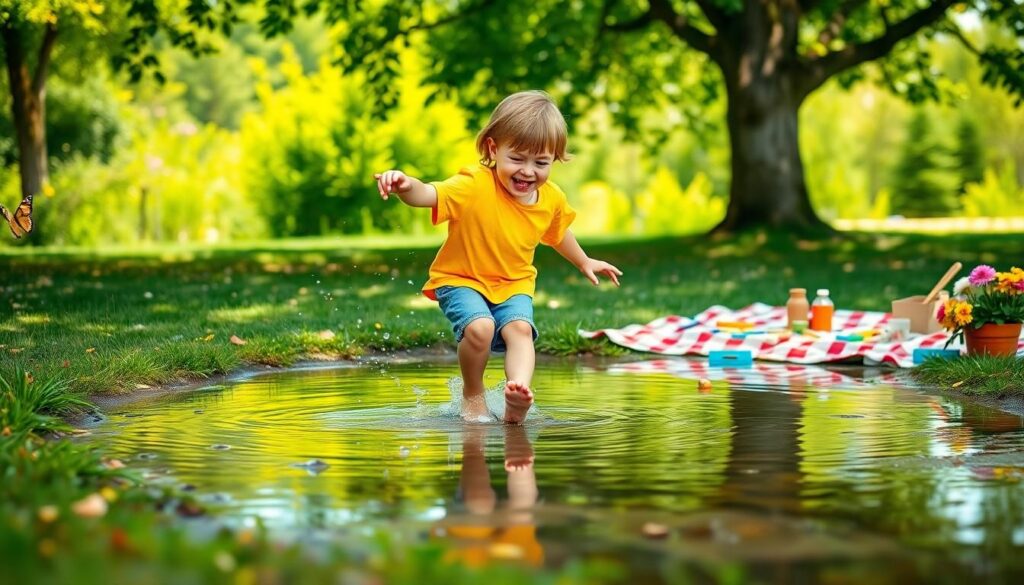
Imagine stepping outside and unleashing a world of wonder right at your fingertips. Outdoor sensory activities are like a treasure chest filled with experiences that tickle the senses and ignite creativity. Whether it’s squishing mud between fingers or chasing butterflies, these activities turn the great outdoors into a playground for the mind and body.
In a world glued to screens, it’s time to unplug and dive into nature’s sensory buffet. From the rustle of leaves to the vibrant colors of blooming flowers, every moment spent outside can spark joy and curiosity. So grab that picnic blanket, gather the kids, and prepare for laughter-filled adventures that make memories and boost well-being. Who knew that exploring the outdoors could be such a delightful recipe for fun?
Overview of Outdoor Sensory Activities
Outdoor sensory activities engage the senses and promote creative exploration in natural environments. These activities spark joy and curiosity, encouraging people to unplug from screens and immerse in their surroundings.
Importance for Development
Engaging in outdoor sensory activities significantly supports cognitive and physical development. Exposure to various textures, sounds, and scents enhances sensory processing skills. Children who interact with nature often demonstrate improved focus and attention. Such activities encourage problem-solving, as kids navigate their environments. Additionally, they foster emotional regulation through experiences that challenge and excite young minds.
Benefits for All Ages
Outdoor sensory activities provide numerous benefits across all age groups. Adults appreciate stress relief from nature’s calming effects, while kids develop social skills through cooperative play. Intergenerational interactions boost relationships, connecting family members through shared experiences. Engaging with different environments promotes creativity, inspiring art projects or storytelling. Overall, outdoor sensory activities create memorable moments that enhance well-being for everyone involved.
Types of Outdoor Sensory Activities

Outdoor sensory activities encompass various experiences that stimulate the senses and encourage exploration. Engaging with nature through different activities can enhance well-being and creativity.
Nature Exploration
Nature exploration invites individuals to discover wildlife and natural surroundings. Observing plants, insects, and animals sparks curiosity and promotes learning. Collecting leaves or stones provides a tactile experience, while listening to birds or rustling leaves engages the auditory sense. This kind of exploration fosters an appreciation for nature and contributes to cognitive development. Children benefit from following trails, creating scavenger hunts, and identifying different species. Such activities enhance sensory processing skills and inspire imaginative play.
Water Play
Water play offers a dynamic way to engage multiple senses. Activities like splashing in a puddle, building a sandcastle, or experimenting with water in buckets promote sensory exploration. The feeling of water on skin contributes to tactile stimulation, while sounds of splashing create auditory experiences. Filling containers of various sizes encourages science concepts like volume and measurement. Engaging in water play also fosters social interactions as children collaborate on projects and share experiences. Activities can occur at local parks, pools, or home backyards, making them accessible settings for fun and learning.
Gardening Activities
Gardening activities present a hands-on approach to sensory engagement. Digging in soil provides tactile sensations that connect individuals to the earth. Planting seeds or seedlings introduces children to the life cycle of plants and teaches responsibility. Scented herbs and colorful flowers stimulate the olfactory and visual senses, enhancing awareness of nature. Observing insects and birds within gardens sparks curiosity about ecosystems. Collaborative gardening efforts create opportunities for family bonding and storytelling, while also promoting healthy outdoor habits. Overall, gardening cultivates patience and nurtures a love for nature.
Planning Outdoor Sensory Activities
Planning outdoor sensory activities requires attention to detail and consideration of various factors. Engaging in these activities ensures a fulfilling experience that promotes creativity and development.
Safety Considerations
Safety serves as the top priority when organizing outdoor sensory activities. First, assess the environment for hazards such as sharp objects or poisonous plants. Next, ensure proper supervision for children during activities, especially near water or uneven terrain. Equip children with appropriate clothing and footwear to prevent injuries. Keeping a first aid kit nearby addresses minor accidents promptly. Finally, consider allergies to materials like pollen or certain soil, guaranteeing a worry-free experience for everyone involved.
Choosing the Right Location
Choosing the right location significantly impacts the success of outdoor sensory activities. Parks and gardens provide ample opportunities for exploration, while beaches offer unique textures and sounds. Selecting spaces with diverse natural elements enhances sensory experiences, including plants, rocks, and water. Accessibility remains crucial; ensure the location accommodates various age groups and mobility levels. Lastly, observe the weather and time of day to maximize comfort and enjoyment during activities, allowing for engaging and memorable experiences in nature.
Engaging with Outdoor Sensory Activities
Outdoor sensory activities invite individuals to explore their surroundings while connecting with nature. These experiences enrich lives and foster creativity.
Tips for Active Participation
Encourage movement by exploring different terrains, such as parks and gardens. Invite children to touch various textures, from soft grass to rough bark, enhancing their sensory experience. Engage in cooperative play by organizing group games, promoting teamwork and social skills. Utilize tools like magnifying glasses to observe small wildlife and plant details, sparking curiosity and wonder. Incorporate art materials for outdoor projects, allowing creativity to flourish in open spaces. Provide ample opportunities for independent exploration, enabling a sense of autonomy and discovery.
Incorporating Learning Opportunities
Use outdoor settings to teach concepts like biology and ecology through hands-on experiences. Organize scavenger hunts that require identifying plants, animals, or natural objects, integrating fun with education. Discuss the importance of ecosystems while gardening, encouraging responsibility and appreciation for nature’s balance. Incorporate sensory bins filled with natural materials, supporting fine motor skills and imaginative play. Encourage storytelling based on sensory experiences, facilitating language development and communication skills. Share information about local wildlife, fostering respect for all living things.
Conclusion
Embracing outdoor sensory activities offers a pathway to enriching experiences that nurture creativity and well-being. These activities not only stimulate the senses but also foster essential skills across all age groups. By stepping outside and engaging with nature, families can create lasting memories while promoting emotional and cognitive growth.
The benefits are clear: improved focus, better emotional regulation, and enhanced social skills emerge from these interactions with the natural world. As individuals explore different environments and participate in hands-on activities, they cultivate a deeper appreciation for nature and its wonders. Prioritizing outdoor sensory experiences can transform everyday moments into joyful adventures that strengthen connections and inspire lifelong curiosity.

