
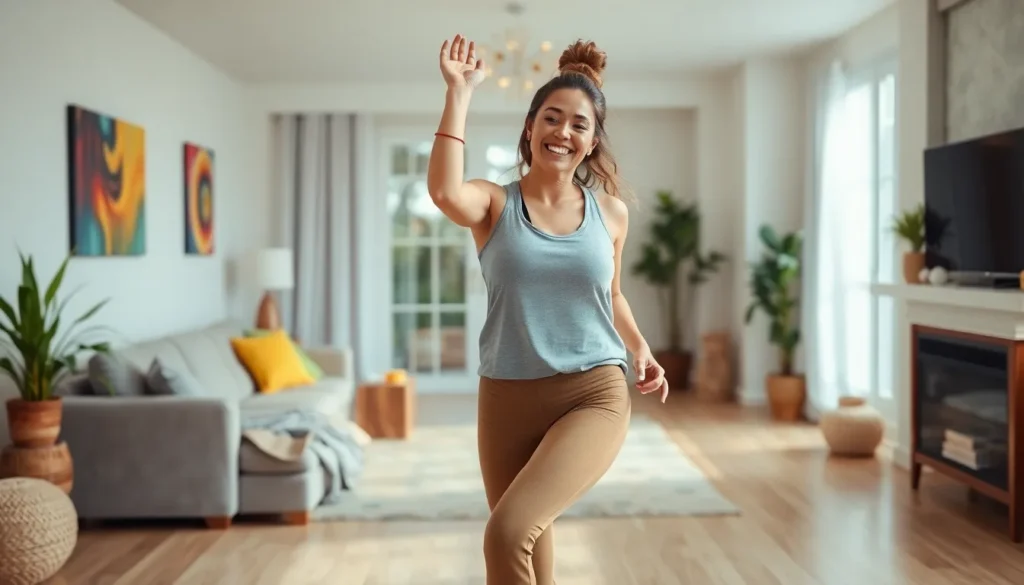
In a world where the couch often wins the battle against motivation, wellness exercise emerges as the superhero we didn’t know we needed. It’s not just about crunching numbers at the gym or sweating through a yoga class; it’s about finding joy in movement and embracing a lifestyle that makes you feel alive. Who knew that a little dance party in the living room could count as cardio?
Overview of Wellness Exercise
Wellness exercise encompasses various physical activities aimed at enhancing mental and emotional well-being. It values movement that brings joy over traditional workouts. Incorporating fun activities like dancing or hiking promotes a more sustained interest in fitness. Engaging in these exercises helps boost energy levels and improve mood.
Physical benefits also arise from wellness exercises. According to the Centers for Disease Control and Prevention (CDC), regular physical activity reduces the risk of chronic diseases by 50 percent. Movement can improve cardiovascular health and strengthen muscles. Additionally, consistent exercise contributes to better sleep patterns and increased productivity.
Social interactions play a significant role in wellness exercise. Joining group classes or participating in outdoor sports fosters connections with others. These communal activities can motivate individuals to stick to their fitness routines. Experiences such as team sports or yoga classes enhance not only physical health but social well-being too.
Diversity in activities boosts overall engagement. Walking, swimming, or biking offers variety. Individuals find enjoyment tailored to their preferences. These options prevent monotony and encourage consistent participation, turning exercise into an enjoyable habit.
Ultimately, wellness exercise promotes a holistic approach to health, combining joy, community, and physical benefits. By prioritizing enjoyable movement, individuals create a sustainable fitness journey that positively impacts their overall well-being.
Benefits of Wellness Exercise
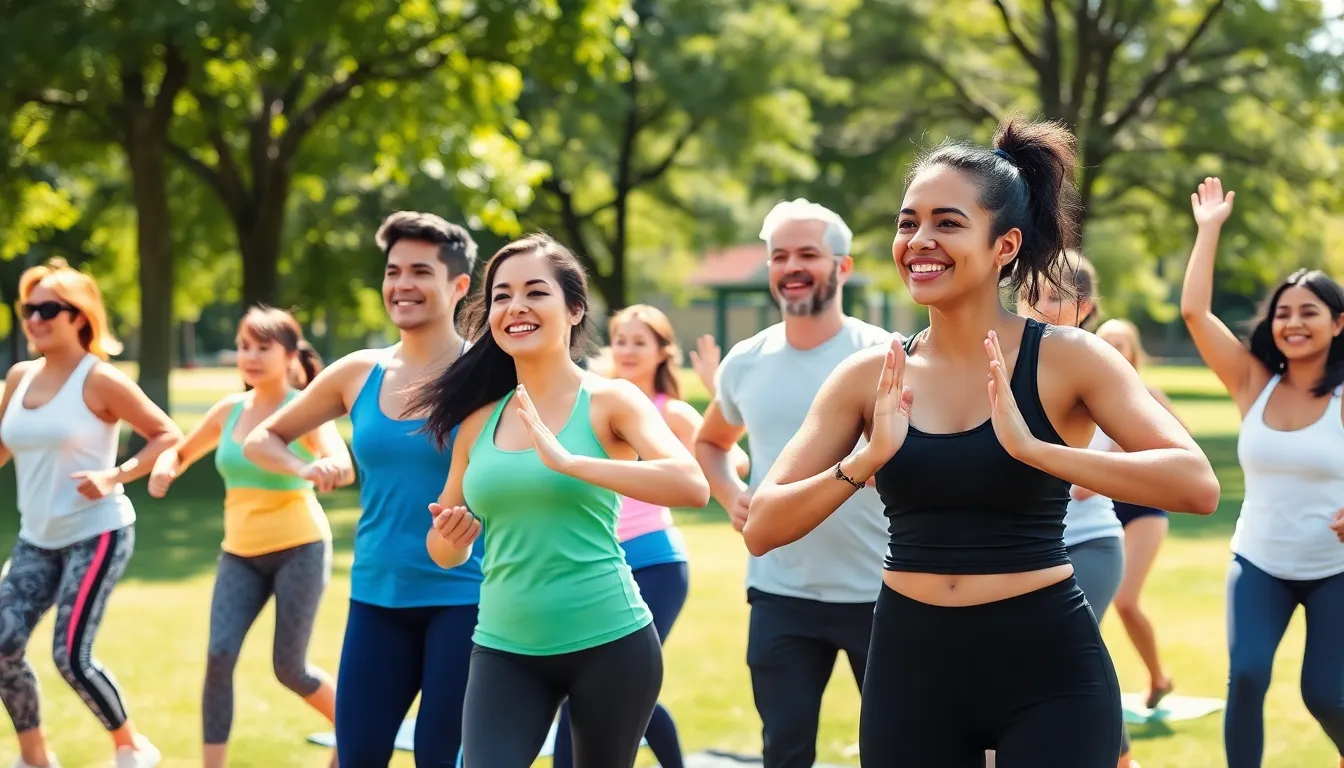
Wellness exercise offers a range of benefits that enhance overall well-being. These benefits encompass physical health, mental health, and social connection.
Physical Health
Regular wellness exercise significantly lowers the risk of chronic diseases by 50 percent. Engaging in activities like walking, swimming, or dancing strengthens muscles and improves cardiovascular health. Exercise also aids in weight management, boosts energy levels, and contributes to better sleep patterns. Maintaining an active lifestyle promotes longevity and enhances overall fitness. Individuals should prioritize enjoyable activities to ensure they remain committed to their health goals.
Mental Health
Wellness exercise greatly impacts mental health by reducing symptoms of anxiety and depression. Physical activity releases endorphins, which elevate mood and provide a sense of well-being. Enjoyable forms of exercise can serve as effective stress relievers, allowing individuals to unwind. Consistent movement improves cognitive function and enhances focus, making everyday tasks easier. Prioritizing mental wellness through exercise offers a proactive approach to maintaining emotional stability.
Social Connection
Participating in group classes or outdoor sports fosters valuable social connections. Engaging with others during wellness activities creates a supportive community, motivating individuals to stick to their fitness routines. Social interactions enhance enjoyment and promote a sense of belonging, which is crucial for mental well-being. Friends and family can join in on activities, making exercise a fun and shared experience. Finding ways to connect with others through movement increases the likelihood of maintaining an active lifestyle.
Types of Wellness Exercises
Wellness exercises include various activities that support mental and emotional well-being. These activities enhance physical fitness while prioritizing enjoyment and community engagement.
Aerobic Activities
Aerobic activities elevate the heart rate and improve cardiovascular health. Engaging in exercises like jogging, cycling, or dancing increases stamina and endurance. Social settings, such as group classes or running clubs, further enhance motivation and enjoyment. Additionally, research indicates that regular aerobic workouts can reduce the risk of chronic diseases by 50 percent. This type of exercise often leads to higher energy levels and improved mood, making it a vital component of any wellness routine.
Strength Training
Strength training focuses on building muscle and enhancing overall fitness. It includes activities like weightlifting, resistance band workouts, and bodyweight exercises, which enhance physical strength. Regular practice contributes to improved muscle tone, better metabolism, and increased bone density. Additionally, engaging in strength training promotes self-confidence and body awareness. Joining local fitness groups or classes adds a social dimension, encouraging consistency and camaraderie among participants.
Mindfulness Practices
Mindfulness practices emphasize the connection between body and mind. Activities such as yoga, tai chi, and meditation promote relaxation and mental clarity. Practicing mindfulness reduces symptoms of anxiety and depression while improving overall cognitive function. Incorporating breathing exercises into daily routines can enhance emotional resilience. Furthermore, group mindfulness sessions foster a supportive atmosphere, encouraging individuals to explore their fitness journeys together. Prioritizing mindfulness within wellness exercise cultivates a more balanced and fulfilling approach to health.
Creating a Wellness Exercise Routine
Creating a personalized wellness exercise routine focuses on enjoyable activities that promote physical and mental health. A thoughtful approach ensures sustainability and engagement over time.
Setting Goals
Setting goals drives motivation and defines a clear path. Specific goals, like exercising three times a week, can enhance commitment and create a sense of accomplishment. Short-term goals maintain enthusiasm while long-term goals provide direction and purpose. Tracking progress reinforces effort and celebrates achievements, allowing individuals to adjust their routine as necessary. Prioritize setting achievable goals that inspire consistent participation, resulting in improved overall wellness.
Finding the Right Activities
Finding the right activities keeps the wellness exercise routine enjoyable. Explore various options such as group classes, outdoor sports, or individual hobbies like dancing or hiking. Understanding personal preferences enhances satisfaction and engagement. Experiment with diverse activities to discover what resonates most. Combining different types of exercises, like strength training and mindfulness practices, can create a balanced routine, addressing physical and mental well-being. Remember, the goal is to find fun activities that motivate continued participation and foster a positive attitude towards fitness.
Wellness exercise offers a refreshing approach to fitness that prioritizes joy and engagement over rigid routines. By embracing enjoyable activities individuals can enhance their physical health while simultaneously nurturing their mental and emotional well-being. The social connections formed through group activities further enrich the experience making exercise a communal endeavor.
Creating a personalized wellness exercise routine allows for flexibility and creativity ensuring that fitness remains an enjoyable part of daily life. As individuals explore various activities they’ll discover what resonates with them fostering a sustainable commitment to health. Ultimately wellness exercise paves the way for a healthier lifestyle that celebrates movement in all its forms.

