
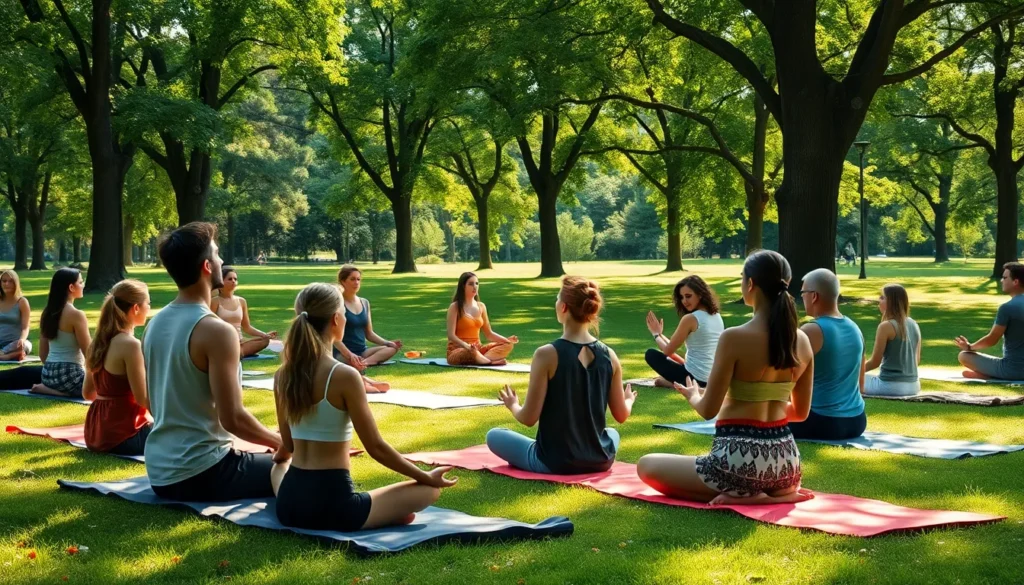
In a world buzzing with beliefs and practices, the lines between religion and spirituality often blur like a poorly mixed cocktail. While both aim to connect individuals to something greater, they take wildly different routes. Think of religion as the well-structured highway with signs, speed limits, and a few toll booths, while spirituality is more like a scenic backroad where you can stop, smell the flowers, and maybe even dance in the rain.
Overview of Religion and Spirituality
Religion represents a structured system of beliefs and practices designed to connect followers to a higher power or community. Followers of religion often adhere to established doctrines and rituals, guiding their moral and ethical behaviors. Spirituality, in contrast, emphasizes individual experiences and personal growth. It allows for a sense of connection to something greater while promoting personal interpretation and exploration.
Religious practices can include communal activities, prayer, and worship, often in designated places of worship. Spiritual practices might involve meditation, mindfulness, or personal reflection, occurring in various environments. In religion, authority figures often play a central role, providing guidance and interpretation of sacred texts. Spirituality typically lacks formal authority, encouraging individuals to find their own paths.
Religion often fosters a sense of belonging within a community, offering shared beliefs and support systems. Spirituality focuses more on personal journeys and subjective experiences, emphasizing inner peace and self-discovery. Many individuals engage with both, finding balance between structured religion and free-flowing spirituality in their lives.
Religious institutions may enforce strict adherence to codes of conduct and beliefs. Spirituality permits flexibility, allowing people to embrace diverse ideas and practices. A clear distinction lies in ritual; religion frequently relies on prescribed traditions, whereas spirituality encourages spontaneity. This duality illustrates how religion and spirituality vary in scope and practice, shaping the experiences of individuals in profound ways.
Major Differences Between Religion and Spirituality

Religion and spirituality seek connections to a greater existence but differ significantly in approach. Understanding these differences clarifies individual motivations and behaviors.
Definition and Structure
Religion represents a formalized system with specific beliefs and practices. It encompasses organized doctrines that guide followers towards a higher power. Rules, rituals, and established narratives create a comprehensive framework. Spirituality, however, remains fluid and personal. Individuals define their own beliefs, often leading to unique interpretations without a defined structure.
Beliefs and Practices
Religious beliefs often rely on sacred texts and communal teachings. Each religion typically follows established practices like rituals, prayers, or ceremonies. These elements unify practitioners around shared narratives. In contrast, spirituality promotes personal exploration of beliefs. Individuals may engage in practices such as meditation, yoga, or nature walks, emphasizing a subjective connection to the divine or the universe.
Community and Individualism
A sense of belonging characterizes religious communities. Followers often gather in worship or discussion groups, creating strong collective identities. Spirituality, on the other hand, emphasizes individual journeys. Many individuals pursue their spiritual paths independently, focusing on self-discovery and personal revelations rather than community involvement.
Authority and Exploration
Authority figures often guide religious followers through teachings and rituals. Leaders within established religions provide direction and uphold beliefs. Spirituality allows for greater freedom in exploration. Individuals engage with various practices, philosophies, and interpretations without seeking permission from authoritative sources.
Worldview and Purpose
Religion and spirituality shape individuals’ perspectives on life and personal goals in distinctive ways.
Wider Perspective on Life
Religious individuals often view existence through a shared lens, focusing on alignment with established doctrines. Community provides support, helping adherents to interpret life events within a framework of collective beliefs. Spirituality, however, offers a broader approach, encouraging personal intuition and unique understandings of life’s meaning. Each individual explores personal connections to the universe, often drawing inspiration from diverse sources. This unrestricted exploration allows for varied interpretations, extending beyond traditional teachings. Individuals inspired by spirituality may emphasize interconnectedness with all beings, reinforcing a sense of belonging in the larger cosmos.
Personal Fulfillment
In religion, fulfillment arises through adherence to structured principles and the performance of rituals. Practitioners find joy in communal worship, shared values, and the reinforcement of collective identities. Spirituality fosters personal fulfillment by emphasizing individual experiences and intrinsic motivations. Practitioners define their paths, engaging in practices that resonate with their authentic selves. This approach cultivates self-awareness, leading to deeper insights and personal growth. Individuals exploring spirituality often identify their own practices, such as mindfulness or creative pursuits, contributing to a fulfilling journey. Embracing both elements enriches lives, allowing a balance between communal belonging and personal exploration.
Rituals and Experiences
Rituals and experiences differ significantly between religion and spirituality, shaping how individuals connect to the divine.
Organized Rituals in Religion
Religion often features organized rituals that provide structure and meaning. These rituals include ceremonies such as baptisms, weddings, and holidays that followers participate in collectively. They create a sense of community and shared experience. Sacred texts guide the rituals, ensuring adherence to specific traditions. Authority figures, like priests or imams, often lead these practices, emphasizing communal participation. Groups gather regularly for worship, reinforcing shared beliefs and values. Consistency in rituals plays a crucial role, allowing members to strengthen their faith and identity within the religious framework.
Personal Spiritual Experiences
Personal experiences regarding spirituality tend to be diverse and unique. Individuals frequently define their own spiritual practices, often choosing meditation, artworks, or quiet reflection in nature. These activities encourage personal connection to the universe or a higher power. The emphasis remains on self-discovery and introspection instead of group guidelines. Many explore various paths without adhering to specific doctrines, allowing for flexibility in beliefs. Engagement in practices can manifest differently, catering to individual needs and preferences. Ultimately, spiritual experiences foster a deeper understanding of oneself, aligning personal values with the larger universe.
Flexibility and Adaptability
Both religion and spirituality exhibit distinct levels of flexibility and adaptability.
Rigidity of Religious Doctrine
Religion often upholds strict doctrines that followers must adhere to. Structured beliefs create clear guidelines for behavior and thought, limiting deviation. Institutions usually emphasize tradition and established rules, fostering uniformity in practice. Authority figures, such as clergy or religious leaders, play crucial roles in enforcing these doctrines. Sacred texts serve as primary references, shaping followers’ understanding of their faith. Consequently, personal interpretations can sometimes be overshadowed by institutional teachings. This rigidity can create challenges for individuals seeking personal connections with their beliefs.
Fluidity of Spiritual Paths
Spirituality offers a more flexible approach to belief systems. Individuals can explore diverse paths without rigid structures or authoritative oversight. Practices may include meditation, art, or nature, allowing for personal expression and interpretation. Each person’s journey remains unique, promoting self-discovery and introspection. Unlike rigid doctrines, spirituality encourages experimentation and adaptation based on personal experiences. Participants engage with various philosophies and practices, cherry-picking elements that resonate with them. This fluid nature fosters a deeper connection to the divine or the universe, enriching each spiritual experience.
Understanding the differences between religion and spirituality reveals the unique ways individuals seek connection and meaning. While religion provides structure and community through established practices and doctrines, spirituality allows for personal exploration and self-discovery.
This distinction highlights how people can navigate their beliefs and experiences in diverse ways. Many find value in both realms, blending the communal aspects of religion with the freedom of spirituality.
Ultimately, embracing the nuances of each can lead to a richer understanding of oneself and the world, fostering a journey that honors both collective traditions and personal insights.

