

Ever wonder why you feel a little off but can’t quite put your finger on it? Meet the chakras, those mystical energy centers that might just hold the key to your inner harmony. Picture them as your body’s Wi-Fi hotspots, connecting you to the universe and, let’s be honest, keeping your vibe in check. When they’re balanced, you’re like a zen master sipping herbal tea; when they’re off, you might as well be a cat in a bathtub.
Understanding Chakras
Chakras serve as essential energy centers within the body. These centers significantly influence a person’s physical and emotional health.
What Are Chakras?
Chakras refer to seven primary energy points located along the spine. Each chakra corresponds to different physical, emotional, and spiritual aspects, affecting various bodily functions. The root chakra, located at the base of the spine, relates to safety and grounding. The sacral chakra, situated just below the navel, influences creativity and relationships. The solar plexus chakra, located in the upper abdomen, governs personal power. The heart chakra, in the center of the chest, connects to love and compassion. The throat chakra, at the neck, facilitates communication. The third eye chakra, situated between the eyebrows, pertains to intuition and insight. The crown chakra, at the top of the head, relates to spirituality and connection to the universe.
Origins of Chakra Philosophy
Chakra philosophy has roots in ancient Indian traditions, particularly within Hindu and Buddhist teachings. Texts like the “Upanishads” and “Yoga Sutras” mention this concept, detailing how these energy centers can influence well-being. Over centuries, practitioners have developed techniques for balancing chakras through meditation and yoga. Various cultures have incorporated chakra principles into their healing practices, emphasizing their significance. Today, chakra work continues to evolve, blending traditional wisdom with modern therapies. Understanding these origins helps individuals appreciate the depth and richness of chakra practices in contemporary wellness.
Types of Chakras

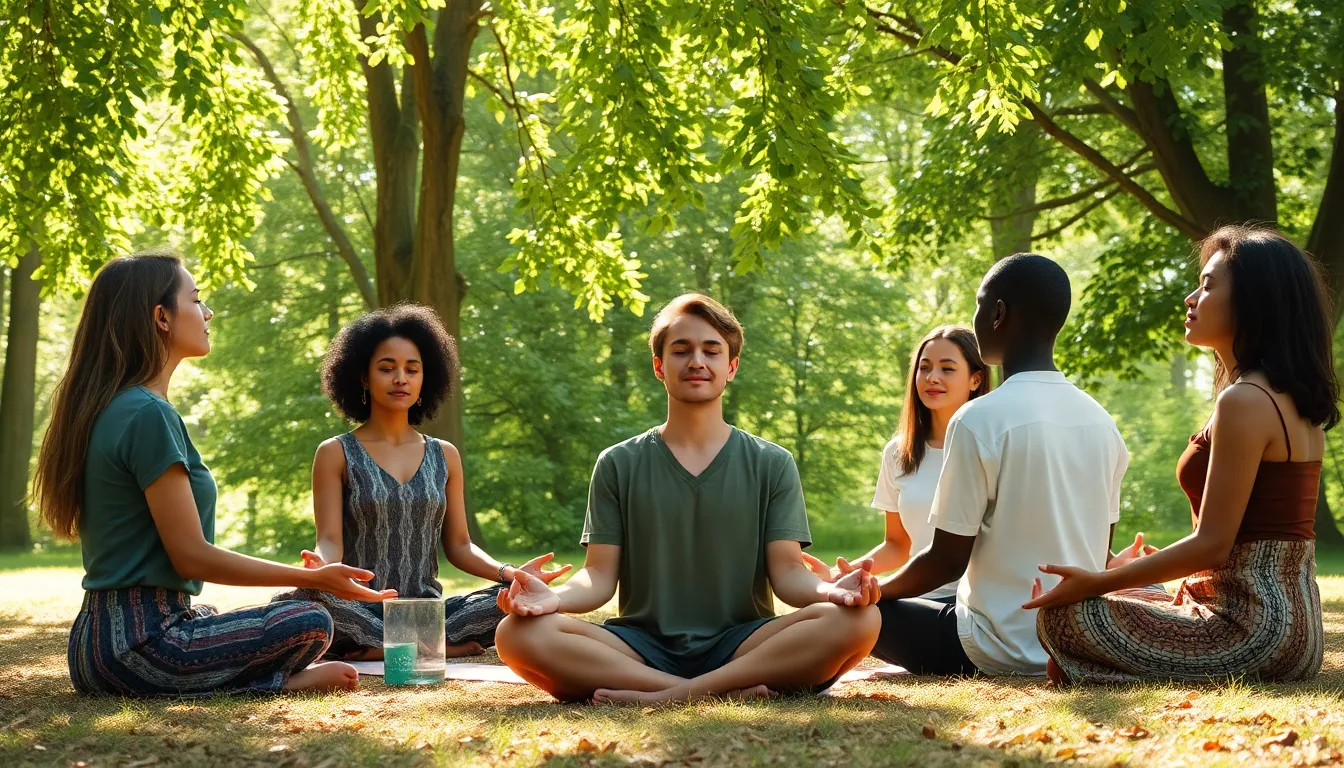
Chakras are categorized into seven primary types, each serving unique functions in the body and spirit. Understanding these types helps individuals engage with their energy centers effectively.
Root Chakra
The root chakra, located at the base of the spine, represents safety and grounding. It connects individuals to the physical world and establishes a foundation for emotional well-being. A balanced root chakra fosters feelings of security and stability. It influences physical health and supports a sense of belonging. Techniques like meditation and connection to nature often enhance root chakra health.
Sacral Chakra
Situated in the lower abdomen, the sacral chakra governs creativity and relationships. This energy center plays a crucial role in emotional balance and enjoyment of life. Blockages in the sacral chakra can manifest as issues with intimacy or creativity. Expressive activities such as art and dance encourage flow in this chakra. Nurturing this chakra promotes healthy relationships and increased creativity.
Solar Plexus Chakra
The solar plexus chakra is found in the upper abdomen, relating to personal power and self-confidence. Empowerment stems from this energy center, allowing individuals to assert themselves and pursue their goals. A blocked solar plexus chakra can lead to feelings of inadequacy. Engaging in self-affirmation and setting boundaries fosters strength in this area. Cultivating this chakra supports healthy self-esteem and determination.
Heart Chakra
Positioned at the center of the chest, the heart chakra connects to love and compassion. It allows for deep emotional connections with oneself and others. A balanced heart chakra facilitates forgiveness and kindness. It plays a vital role in forming healthy relationships and experiencing empathy. Practices such as loving-kindness meditation enhance heart chakra energy, fostering deeper connections.
Throat Chakra
Located at the throat, the throat chakra facilitates communication and self-expression. This energy center governs how individuals voice thoughts and feelings. Blockages may result in difficulty expressing oneself or fear of speaking up. It supports clear and honest communication, essential for healthy relationships. Engaging in vocal expression, such as singing or public speaking, can open this chakra.
Third Eye Chakra
The third eye chakra is situated between the eyebrows and pertains to intuition and insight. This energy center enhances perception and awareness, allowing for deeper understanding. A well-functioning third eye chakra encourages trust in one’s intuition. It assists with clarity of thought and mindfulness. Techniques such as visualization and meditation strengthen this chakra, enhancing one’s intuitive abilities.
Crown Chakra
The crown chakra resides at the top of the head, connecting to spirituality and universal consciousness. This energy center represents the highest level of spiritual connection and enlightenment. A balanced crown chakra fosters a sense of purpose and unity with the universe. It influences spiritual growth and overall awareness. Engaging in spiritual practices such as meditation or prayer nurtures this energy center, promoting deeper connections to the divine.
Importance of Chakras
Chakras play a critical role in maintaining overall well-being, influencing emotional, physical, and spiritual aspects of life.
Emotional Well-being
Balanced chakras contribute significantly to emotional stability. When energy flows freely through these centers, individuals experience greater mental clarity and emotional resilience. An open heart chakra fosters love and compassion, while a well-aligned throat chakra enhances authentic communication. Practicing mindfulness through meditation or yoga can further strengthen emotional health. When one focuses on balancing the solar plexus chakra, feelings of self-confidence and personal power emerge, creating a more positive outlook on life. Regularly checking in with these energy centers supports emotional wellness.
Physical Health
Chakras impact physical health and can affect various bodily functions. Each chakra corresponds to specific organs and systems within the body. For instance, the root chakra connects to the adrenal glands, influencing physical energy and stability. Misalignment in any of the chakras may lead to physical ailments. Maintaining a balanced sacral chakra supports reproductive health and creativity. Furthermore, the heart chakra’s optimal functioning can enhance cardiovascular health. Engaging in regular practices aimed at chakra healing helps maintain overall physical wellness, ensuring energy flows unimpeded throughout the body.
Spiritual Growth
Chakras facilitate spiritual growth and universal connection. The crown chakra serves as the gateway to higher consciousness and enlightenment. Seeking balance in the third eye chakra sharpens intuition and insight, aiding individuals in their spiritual journeys. As each chakra aligns, personal awareness deepens. Individuals find a sense of purpose and clarity in their spiritual paths. Engaging in practices like meditation offers profound opportunities for spiritual exploration. Chakras not only nurture personal development but also foster connections to the universe, enriching spiritual experiences.
Balancing Chakras
Balancing chakras enhances emotional, physical, and spiritual health through various techniques and practices. These methods empower individuals to achieve harmony within themselves.
Techniques for Balancing
Practitioners utilize diverse techniques for chakra balancing. Yoga poses target specific chakras, promoting energy flow and physical stability. Sound therapy, through singing bowls or specific frequencies, fosters clarity and relaxation. Additionally, breathwork exercises encourage mindful breathing, calming the mind while energizing the body. Visualization techniques allow individuals to imagine vibrant, balanced energy traveling through each chakra.
Meditation and Mindfulness
Meditation serves as a powerful tool for chakra balancing. This practice helps individuals connect deeply with their inner selves. Focusing on each chakra during meditation cultivates awareness and promotes healing. Guided meditations often include specific affirmations that resonate with each energy center. Mindfulness practices, such as paying attention to bodily sensations, enhance one’s ability to recognize energy blockages and release negativity effectively.
Using Crystals and Essential Oils
Crystals and essential oils aid in balancing chakras. Each crystal corresponds to specific chakras; for example, amethyst supports the crown chakra, while carnelian aligns with the sacral chakra. Placing these stones on the body during relaxation enhances healing energy. Essential oils, like lavender and frankincense, also contribute to chakra balancing when diffused or applied topically. Blending oils that resonate with particular chakras can create a subtle yet powerful enhancement to one’s energy restoration practices.
Chakras represent a profound connection between the body and the universe. By understanding and balancing these energy centers, individuals can unlock greater emotional stability and physical health. Engaging in practices like meditation and yoga not only promotes harmony but also fosters a deeper spiritual awareness.
As one explores the unique functions of each chakra, they can discover pathways to personal growth and well-being. Embracing these ancient teachings can lead to a more fulfilled and connected life, allowing for a richer experience of existence.

