
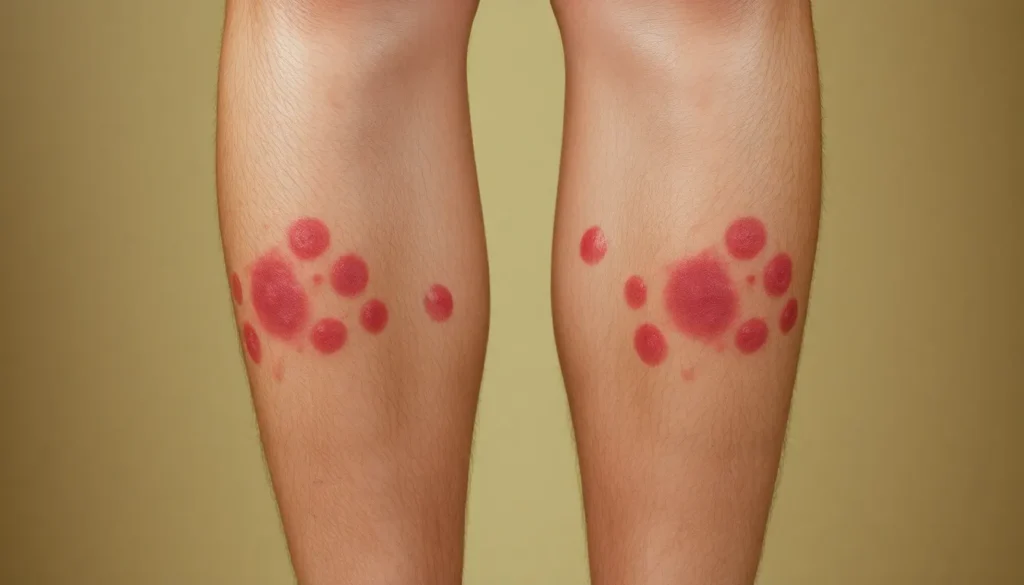
Mite bites on legs can feel like a tiny invasion from the world of the unseen, leaving behind itchy reminders of their existence. If you’ve ever found yourself scratching away at those mysterious welts, you’re not alone. These pesky critters may be small, but their impact on your skin can be anything but trivial.
Overview of Mite Bites
Mite bites can cause significant discomfort, particularly on the legs. Symptoms commonly include intense itching and raised welts that can vary in severity. These bites often appear as small red spots, which develop into inflamed areas, indicating a reaction.
The life cycle of mites contributes to their prevalence, including species like chiggers and scabies mites. Chiggers usually target exposed skin, including the legs, while scabies mites burrow under the skin, leading to severe itching and irritation. It’s essential to identify the type of mite involved, as treatment options can vary accordingly.
Immediate responses to mite bites involve alleviating itching and preventing secondary infections. Over-the-counter antihistamines or hydrocortisone cream often provide relief. Keeping the affected area clean and avoiding scratching helps minimize additional irritation.
In addition to the physical symptoms, mite bites can lead to psychological discomfort due to the persistent itch. Documenting bite occurrence with pictures helps in tracking symptoms and may assist healthcare providers in diagnosis. Observing for changes or worsening symptoms is crucial; these can indicate an allergic reaction or infection.
Prevention strategies exist to limit exposure to mites. Wearing protective clothing, applying repellents, and maintaining a clean living environment effectively reduce the risk of bites. When hiking or engaging in outdoor activities, caution is needed to avoid areas where mites are prevalent.
Mite bites on legs present an annoying experience that can affect daily activities. Understanding their impact, recognizing symptoms, and employing preventive measures can significantly enhance comfort and well-being.
Common Types of Mites
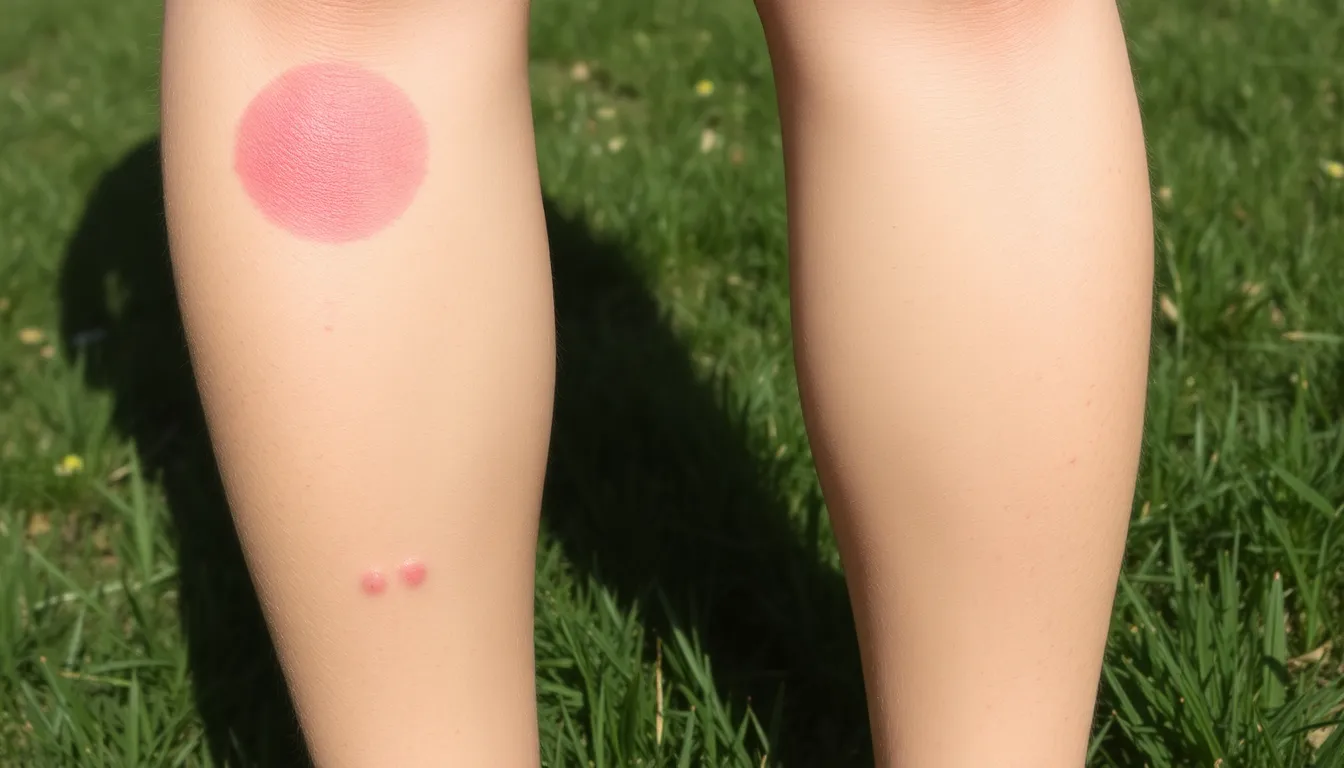
Mite bites cause irritation in various forms. Understanding the types of mites contributes significantly to effective prevention and treatment strategies.
Scabies Mites
Scabies mites burrow into the skin, leading to intense itching and rash. These parasites spread through close skin-to-skin contact, making transmission easy in crowded environments. An infected individual often experiences red, inflamed patches on areas like the legs, armpits, or between fingers. Scabies typically requires doctor’s intervention for effective treatment, including topical creams or oral medications. Scabies symptoms may take weeks to appear after initial exposure, complicating early detection.
Chigger Mites
Chigger mites bite exposed skin, primarily in grassy or wooded areas. These mites attach near skin openings or on areas where clothing fits tightly, causing redness and severe itching. Bites usually result in small, red welts that may become inflamed if scratched. Treatment for chigger bites often includes antihistamines or topical creams that relieve itching and inflammation. Chiggers thrive in humid conditions, particularly during warmer months, emphasizing the need for preventive measures such as protective clothing and insect repellents.
Symptoms of Mite Bites
Mite bites often produce distinct symptoms that indicate their presence. Recognizing these signs can facilitate prompt treatment.
Visual Signs
Mite bites typically manifest as small red spots on the skin. These spots may progress into raised welts, indicating inflammation. In cases involving scabies mites, a rash may develop, resembling clusters or lines. Chigger bites usually appear as red, itchy patches surrounded by redness. The areas affected can often exhibit crusting if scratched excessively. Observing these visual markers aids in differentiating mite bites from other skin conditions.
Physical Reactions
Intense itching accompanies mite bites, leading to significant discomfort. Individuals may experience a burning sensation around the bite area. Swelling often occurs, particularly if a reaction escalates due to scratching. In response to the bites, localized irritation and inflammation frequently develop. Some individuals report experiencing allergic reactions, causing additional symptoms like hives. Understanding these physical reactions is crucial to managing and addressing mite bites effectively.
Importance of Visual Identification
Visual identification plays a key role in effectively recognizing mite bites on legs. Observing images of mite bites helps individuals and healthcare providers pinpoint symptoms accurately.
Role of Pictures in Diagnosis
Pictures serve as essential tools in the diagnostic process. Visual references allow for a more precise identification of mite bites, distinguishing them from other skin conditions. Healthcare professionals use images to compare symptoms and assess overall skin appearance. Conversely, individuals often find it helpful to view accurate representations of mite bites for self-assessment. This process improves communication between patients and doctors, enabling better understanding and follow-up treatment when necessary.
Understanding Severity Through Images
Understanding severity through images provides crucial information about mite bites. Visuals illustrate inflammation levels and the size of welts, indicating potential reactions. Recognizing specific characteristics aids in evaluating the urgency of treatment needed. Additionally, images demonstrate variations in reactions among different individuals, aiding in personalized care plans. Close examination of these visuals allows for quicker responses to severe cases, enhancing overall health outcomes and comfort for affected individuals.
Mite bites on the legs can cause significant discomfort and distress. Recognizing the symptoms and understanding the types of mites involved is essential for effective management. Immediate relief options like antihistamines and topical creams can alleviate itching, while preventive measures help reduce exposure to these pests.
Visual identification through pictures plays a crucial role in diagnosing and communicating symptoms with healthcare providers. By being informed about mite bites and their effects, individuals can take proactive steps to enhance their comfort and overall well-being. Staying vigilant and informed can make a substantial difference in dealing with these pesky bites.

