

Imagine wandering through vibrant markets, the aroma of spices dancing in the air as you sample street food that makes your taste buds do a happy jig. Culinary travel isn’t just about eating; it’s about embarking on a delicious adventure that tickles the senses and creates unforgettable memories. Whether it’s slurping noodles in a bustling Bangkok alley or indulging in artisanal cheeses in a quaint French village, food has a magical way of connecting people to culture.
The Essence of Culinary Travel Experience
Culinary travel transcends simple meals; it invites individuals to explore diverse cultures through their unique flavors. Sampling local street food offers an authentic taste of a region’s culinary heritage. Encountering the vibrant dishes of Bangkok fosters connections that enhance travel experiences.
Artisanal cheeses in France provide opportunities to learn about regional production methods and local traditions. Engaging with passionate chefs at neighborhood eateries reveals the stories behind beloved recipes. Tasting fresh ingredients straight from local markets enhances appreciation for the culinary arts.
Experiencing cooking classes allows travelers to gain hands-on knowledge of traditional cooking techniques. Participants often discover the significance of communal meals in different cultures. Enjoying a meal with locals creates lasting memories and understanding of cultural nuances.
Brewery tours in Belgium illustrate the intricate processes behind crafting renowned beers. Wine tastings in Tuscany showcase the compelling relationship between terroir and flavor. This blend of education and enjoyment contributes to a deeper connection with each destination.
Street festivals celebrating local food not only feature delectable dishes but also bond communities. Each bite reflects a narrative of history, geography, and identity. Culinary travel captures these narratives, weaving them into unforgettable adventures.
Top Destinations for Culinary Travel
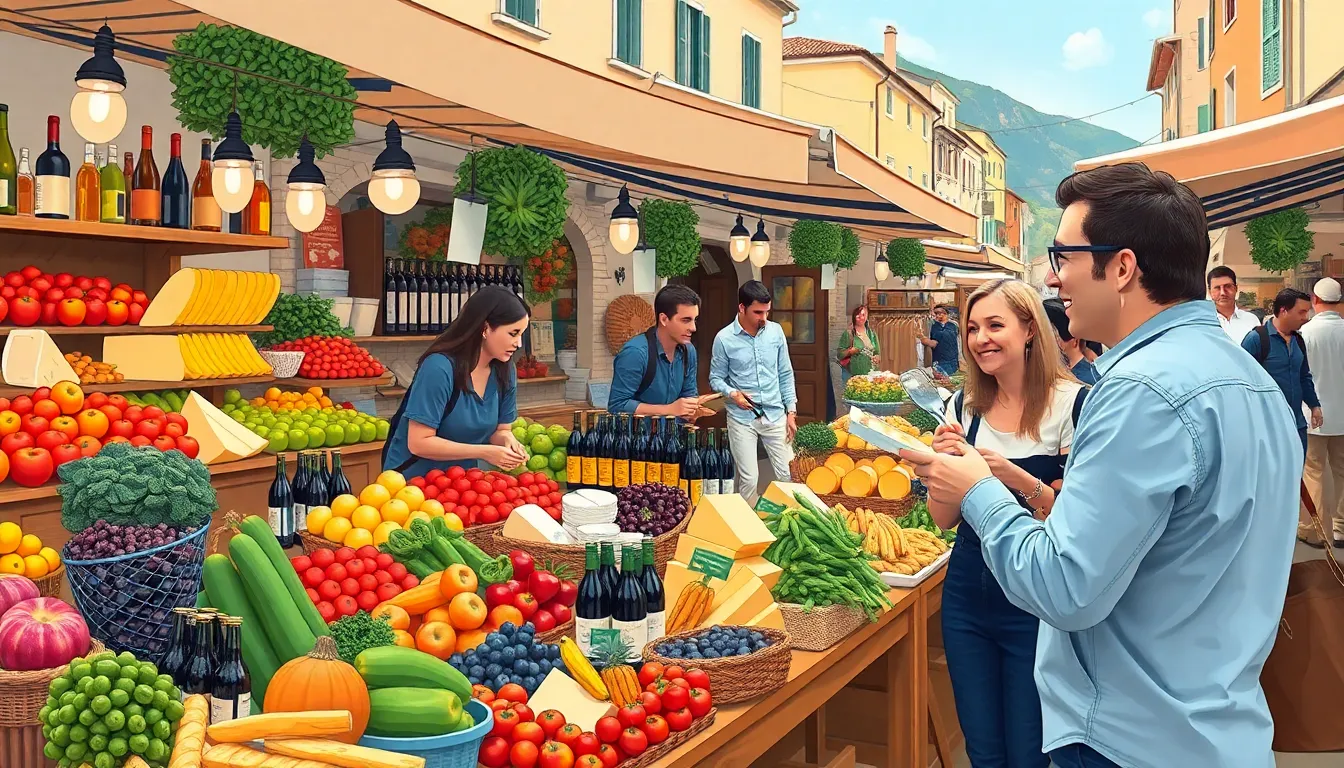
Traveling for food creates a unique experience that immerses individuals in local cuisine and culture. Exploring culinary destinations offers diverse flavors and unforgettable moments.
Europe: A Gastronomic Journey
Europe boasts rich culinary traditions across its various regions. Italy presents pasta varieties and regional wines, showcasing each area’s unique tastes. France captivates with artisan cheeses and pastries, making food exploration a delight. Spain excites visitors with tapas culture, where small plates invite sharing and conversation. Additionally, Greece’s vibrant Mediterranean flavors highlight fresh ingredients and traditional recipes. Join local markets in these countries, participate in workshops, and discover the artistry behind beloved dishes.
Asia: A Fusion of Flavors
Asia offers an extraordinary blend of culinary influences. Thailand stands out with spicy curries and fragrant herbs, appealing to adventurous palates. Japan features sushi and ramen, emphasizing meticulous preparation and presentation. India’s diverse spices create distinct regional dishes, reflecting its vast culture. Street food stalls across Vietnam showcase pho and banh mi, drawing food lovers into bustling atmospheres. Engaging with local chefs enriches the travel experience, allowing for deeper appreciation of cultural significance and traditional cooking methods.
Experiencing Local Cuisine
Culinary travel immerses travelers in local flavors and cultural traditions, enriching their understanding of gastronomy.
Cooking Classes and Workshops
Travelers often participate in cooking classes to learn regional recipes firsthand. Engaging with local chefs offers insights into traditional techniques and ingredient sourcing. These classes typically cover the steps to create signature dishes, allowing travelers to replicate them later. Cultural stories and cooking tips shared during these experiences deepen appreciation for each dish’s heritage. For example, mastering pasta-making in Italy or balancing spices in Indian cuisine captivates participants, making each dish a new lesson in culinary art.
Street Food Adventures
Street food adventures provide a lively and authentic taste of local culture. Vendors’ carts and stalls often showcase regional favorites, from tacos in Mexico to banh mi in Vietnam. Sampling these dishes exposes travelers to bold flavors and unique ingredients. Visiting bustling markets packs excitement into the culinary journey. Each bite tells a story, connecting the dish to the area’s history and community traditions. For those seeking to fully experience local life, exploring street food represents an essential element of culinary travel.
The Role of Culinary Tours
Culinary tours serve as pathways to unforgettable experiences. They combine exploration with education, immersing travelers in local culinary traditions.
Guided Experiences vs. Self-Exploration
Guided experiences offer structure and expert insight. Professional guides lead travelers through local markets and hidden eateries, sharing stories and culinary techniques. Travelers meet chefs and artisans, understanding the cultural significance of dishes. Conversely, self-exploration fosters spontaneity. Individuals navigate neighborhoods freely, discovering food stalls and local favorites. This approach encourages interaction with residents, enhancing cultural connections. Both options cater to different preferences, yet each provides unique ways to savor local cuisine.
How to Choose the Right Tour
Choosing the right culinary tour hinges on personal interests. Consider cuisine types—specific regions or dietary preferences. Traveler reviews provide insights into experienced operators, revealing what others valued most. Look for tours that integrate hands-on experiences, like cooking classes. Evaluate duration and itinerary to ensure they align with available time. Comparing price points also aids in making informed decisions. Prioritizing unique local experiences enhances the value of a culinary tour.
Impact of Culinary Travel on Culture
Culinary travel significantly influences culture by fostering connections between people and their culinary heritage. Local cuisines become a reflection of history, geography, and the communal spirit. Engaging with traditional foods often involves learning the stories behind family recipes and local customs, transforming a meal into an insightful cultural experience.
Travelers experience the rituals surrounding food, such as communal meals shared during festivals. Countries like France showcase the importance of family and community, where meals extend beyond nourishment. In Thailand, vibrant street food scenes promote local engagement, allowing visitors to witness daily life through flavors and aromas.
Participating in cooking classes deepens understanding of cultural practices. In Italy, for instance, the art of pasta-making highlights regional differences and traditions. Chefs often share secrets and techniques passed down through generations, providing travelers valuable context to their culinary experiences.
Street food, from tacos in Mexico to pho in Vietnam, plays a critical role in cultural exchange. Local vendors not only serve food, they also share their stories and personal histories, creating connections with travelers. These culinary interactions can lead to a greater appreciation for diversity and the unique attributes of various cultures.
Wine tours in Tuscany or brewery visits in Belgium exemplify the synergy between food and culture. Visitors gain insights into local production methods while learning about the land and traditions that shape these beverages. By participating in these experiences, culinary travelers contribute to the preservation and promotion of regional identities.
Ultimately, culinary travel forms bridges across cultures, encouraging mutual understanding and respect through shared culinary practices. These experiences benefit both travelers and local communities, enriching lives and preserving culinary traditions.
Culinary travel offers a unique opportunity to connect with cultures through their flavors and traditions. By immersing in local cuisines and engaging with passionate chefs, travelers can create unforgettable memories that transcend mere dining. The experiences of cooking classes street food adventures and local markets provide insights into the heart of a region’s culinary heritage.
Whether exploring the bustling streets of Bangkok or savoring artisanal cheeses in France each bite tells a story. Culinary travel enriches lives fosters cultural exchange and preserves culinary traditions. It’s more than just food; it’s about the connections made and the experiences shared. Embracing this journey opens doors to a world of flavors waiting to be discovered.

