

Imagine swapping your office cubicle for the wild embrace of nature, where the only deadlines are set by the sun and your biggest concern is avoiding a curious elephant. Wildlife travel offers a thrilling escape from the mundane, inviting adventurers to witness the majestic beauty of creatures in their natural habitats. It’s not just a vacation; it’s a ticket to the front row of nature’s greatest show.
What Is Wildlife Travel?
Wildlife travel refers to the journey undertaken to observe animals in their natural habitats. This type of travel emphasizes immersive experiences that allow individuals to connect with nature. Various destinations around the globe, such as conservancies, national parks, and reserves, serve as prime locations for these adventures.
Many travelers seek out wildlife encounters for educational purposes, photography opportunities, or simply a chance to appreciate biodiversity. Moments spent watching elephants migrate, gazing at birds in rainforests, or trekking alongside dolphins create lasting memories. Tourists can often find guided tours that enhance their understanding of ecosystems and species’ behaviors.
Engaging with wildlife can contribute to conservation efforts as well. Tour operators frequently promote responsible tourism practices, ensuring that animal habitats are protected while providing economic benefits to local communities. This approach helps maintain a balance between tourism and environmental preservation.
Specific activities associated with wildlife travel include safaris, birdwatching, whale watching, and eco-tours. Each of these activities offers unique opportunities for encounters with wildlife. Travelers can also join conservation programs, enabling them to actively participate in habitat restoration and wildlife monitoring.
Planning a wildlife travel experience involves considering the best seasons for animal sightings, such as migration periods or breeding seasons. Observing animals during these times increases the likelihood of memorable encounters. Travelers must also prepare for varying climates and terrains, ensuring a safe and enjoyable expedition.
By fostering a greater appreciation for wildlife and promoting conservation, wildlife travel shapes not just the hearts of explorers but also the wellbeing of ecosystems worldwide.
Benefits Of Wildlife Travel
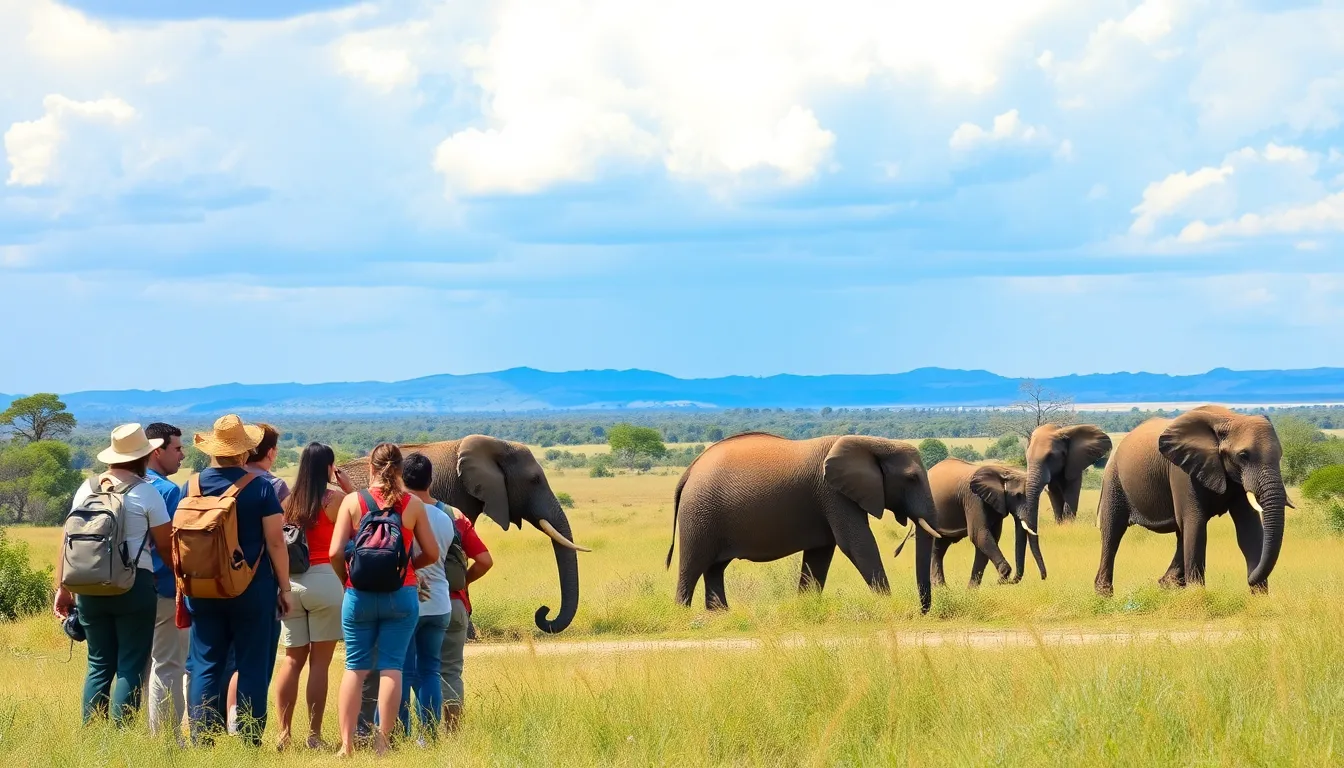
Wildlife travel offers numerous advantages that enhance the overall experience of exploring nature. Engaging with wildlife creates profound connections to the environment and promotes a sense of responsibility towards its preservation.
Connection With Nature
Experiencing wildlife in natural settings fosters a deep appreciation for ecosystems. Observing animals in their habitats encourages mindfulness and awareness of biodiversity. Travelers gain insights into animal behavior, leading to a better understanding of their ecological roles. Activities such as tracking wildlife or participating in guided nature walks strengthen this bond between people and nature. Moments spent in breathtaking landscapes instill a sense of peace and rejuvenation.
Support For Conservation Efforts
Wildlife travel significantly contributes to conservation initiatives. Tour operators often invest in local ecological projects, ensuring programs protect threatened species. Revenue from ecotourism helps fund research and habitat restoration. By choosing responsible travel options, travelers support communities dedicated to preserving wildlife. Increased awareness of conservation challenges fosters a proactive approach among visitors, promoting sustainable practices. These efforts create a positive impact on wildlife and their natural environments.
Popular Wildlife Travel Destinations
Wildlife travel offers unique encounters with nature in some of the most breathtaking locations worldwide. Below are prominent destinations celebrated for rich biodiversity and unforgettable wildlife experiences.
Africa’s National Parks
Africa’s national parks feature diverse ecosystems, attracting adventure seekers and wildlife enthusiasts alike. Serengeti National Park in Tanzania is renowned for the Great Migration, where millions of wildebeest and zebras traverse the plains. Kruger National Park in South Africa provides opportunities to spot the Big Five, including elephants, lions, leopards, rhinos, and buffalo. These parks not only offer thrilling safari experiences but also promote conservation efforts, fostering coexistence between wildlife and local communities. Visitors engage in guided tours, enhancing their understanding of animal behaviors and habitats.
Rainforests of South America
Rainforests of South America, particularly the Amazon, harbor immense biodiversity and are often referred to as the planet’s lungs. Eco-tours in this region showcase exotic species such as jaguars, macaws, and various amphibians. Pantanal, a tropical wetland, presents another exceptional wildlife haven, known for its dense concentration of wildlife, including caimans and capybaras. Adventurers can embark on canoe tours and hiking expeditions, offering immersive experiences while learning about conservation challenges. These rainforests play a crucial role in environmental health, connecting travelers with the urgency of protecting these vital ecosystems.
Tips For An Enjoyable Wildlife Travel Experience
Planning a wildlife travel adventure includes several important considerations. Travelers can enhance their experiences by following key tips.
Responsible Wildlife Viewing
Respecting wildlife is crucial during encounters. Maintaining a safe distance from animals helps minimize stress. Observers should refrain from feeding or trying to touch animals for their safety. Staying on designated trails prevents habitat destruction and protects local flora. Limiting noise levels promotes a quiet environment, allowing wildlife to behave naturally. Everyone can contribute to conservation efforts simply by following these practices, ensuring future generations enjoy the same wildlife experiences.
Choosing The Right Tour Operators
Selecting reputable tour operators enhances wildlife travel experiences. Researching operators’ commitment to responsible tourism is essential. Look for providers that support local communities and conservation initiatives. Reading reviews and testimonials provides insight into travelers’ past experiences. Operators offering small group sizes often enhance personal engagement and minimize environmental impact. Transparency regarding wildlife protection policies is also crucial when making a choice. Opting for certified operators ensures adherence to ethical wildlife viewing standards, promoting sustainable travel.
Wildlife travel offers a unique opportunity to connect with nature and experience the thrill of observing animals in their natural habitats. As travelers immerse themselves in diverse ecosystems, they not only create unforgettable memories but also foster a deeper appreciation for the environment.
By choosing responsible tourism practices, they contribute to conservation efforts that benefit both wildlife and local communities. This journey into the wild is more than just a getaway; it’s a chance to engage with the planet’s rich biodiversity and promote a sustainable future for generations to come. Embracing wildlife travel means embracing a lifestyle that values nature and its preservation.

